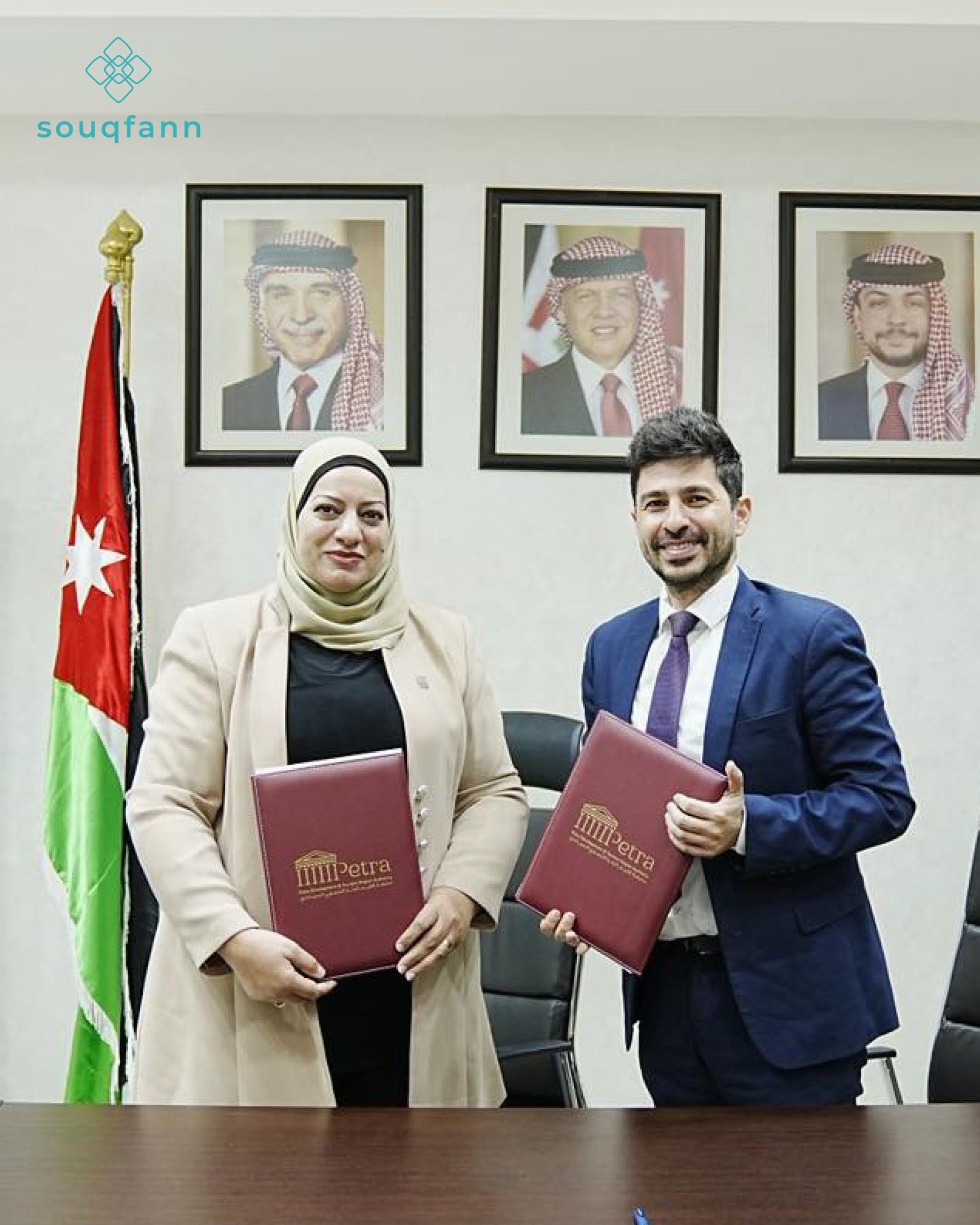
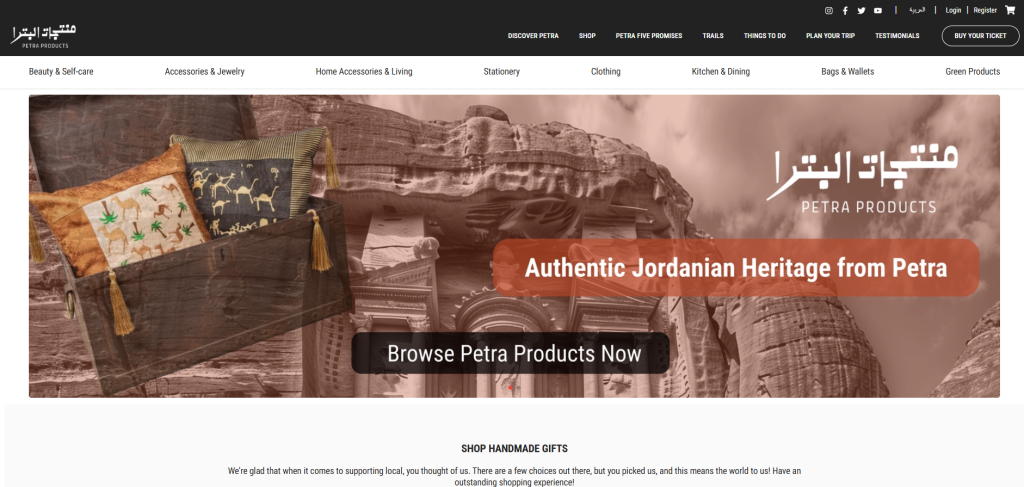
The Petra Tourism Development Region Authority (PDTRA), in partnership with Souq Fann, has launched “Petra Products,” an innovative e-commerce platform dedicated to promoting authentic Jordanian handicrafts and cultural heritage to local and international audiences.
Inspired by the ancient Rose City of Petra, one of the New Seven Wonders of the World, Petra Products aims to empower talented artisans, craftspeople, and handicraft producers from Petra and across Jordan by connecting them with customers worldwide through a modern digital marketplace.
The platform showcases a wide range of handmade products that reflect the richness of Jordanian culture, creativity, and craftsmanship, while supporting local communities and preserving traditional artisanal skills for future generations.
Through this partnership, Souq Fann will contribute its expertise in digital marketplaces, artisan empowerment, and e-commerce operations to help expand the reach of Petra’s handcrafted products to regional and global markets.
Petra Products represents a significant step toward supporting sustainable tourism, cultural preservation, and economic empowerment for artisans and small producers in Petra and across Jordan.
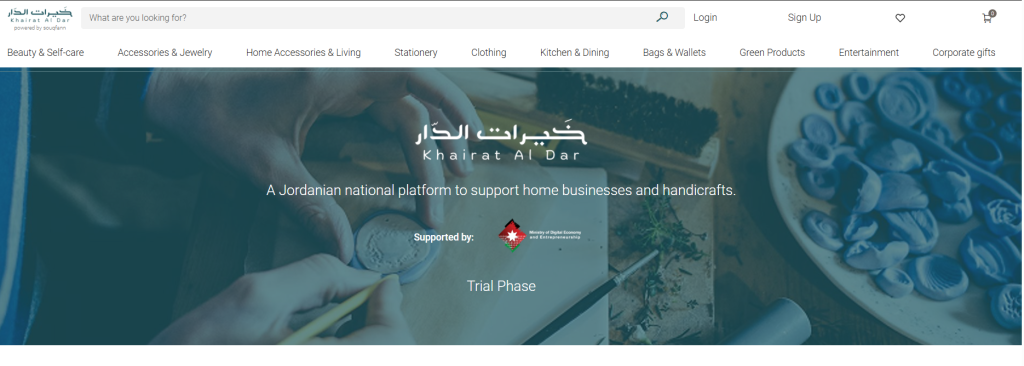
Starting 2025 – 2026, SouqFann has been collaborating and running the operation for two of the largest goverment platforms in Jordan targeting local crafts and handmade art.: Khairat Aldar and Petra Products.
Khirat Al Dar is a digital platform launched by the Ministry of Digital Economy and Entrepreneurship as a pilot phase to support and empower home business owners in Jordan by providing an integrated environment that helps them market their products in a modern and effective way.
In a world facing increasingly complex social, economic, and environmental challenges, young people are becoming some of the most powerful drivers of change. Across Jordan and the Arab region, initiatives that empower youth with innovation, leadership, and problem-solving skills are helping create more resilient and inclusive communities.
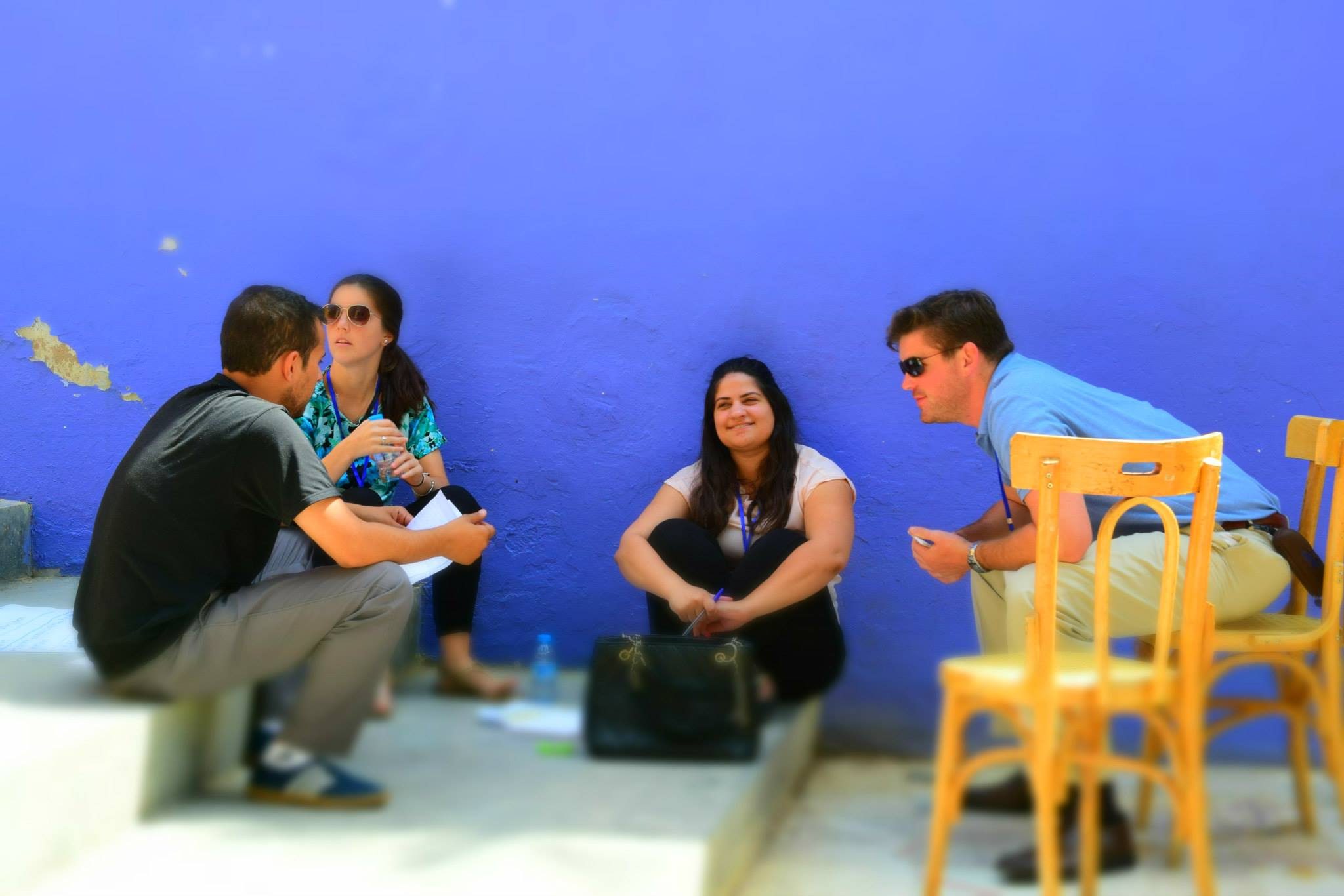
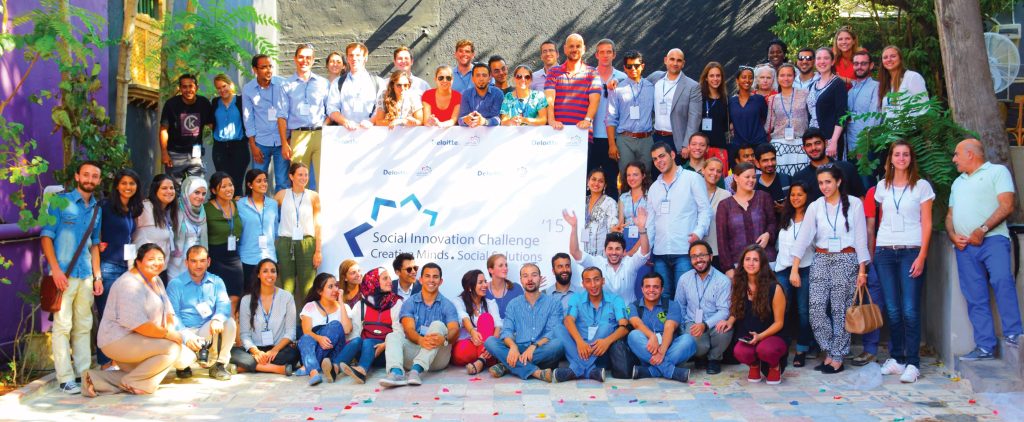
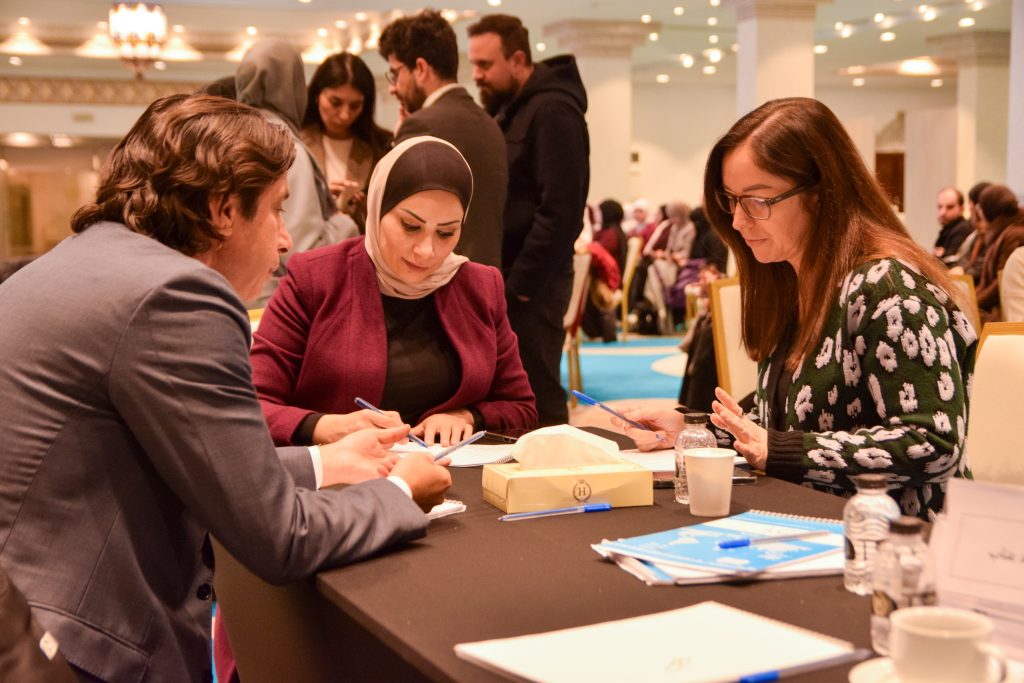
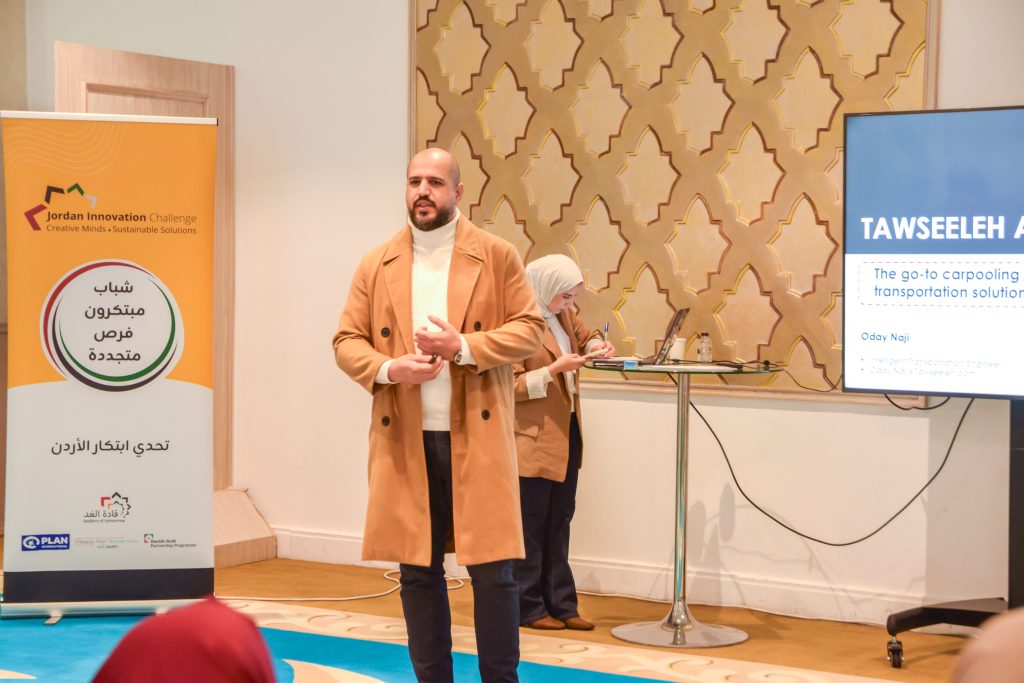
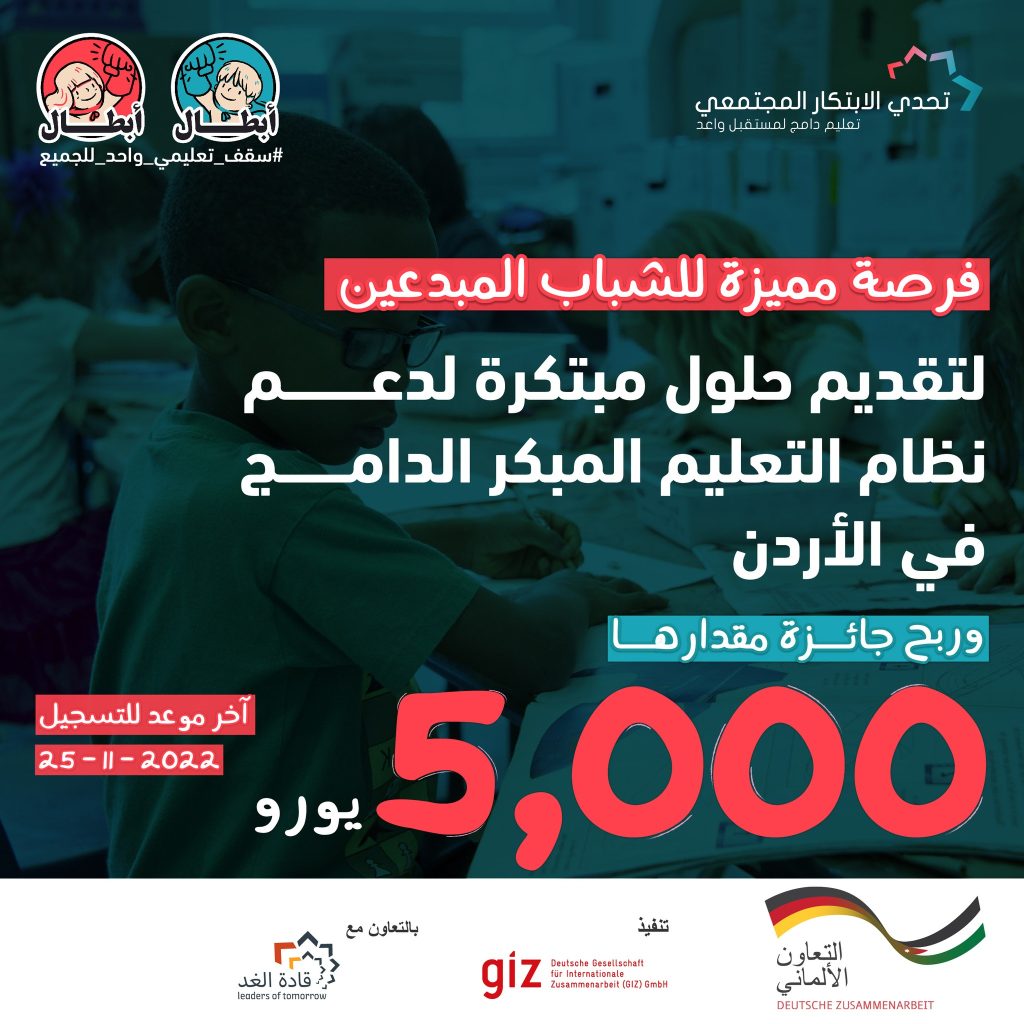
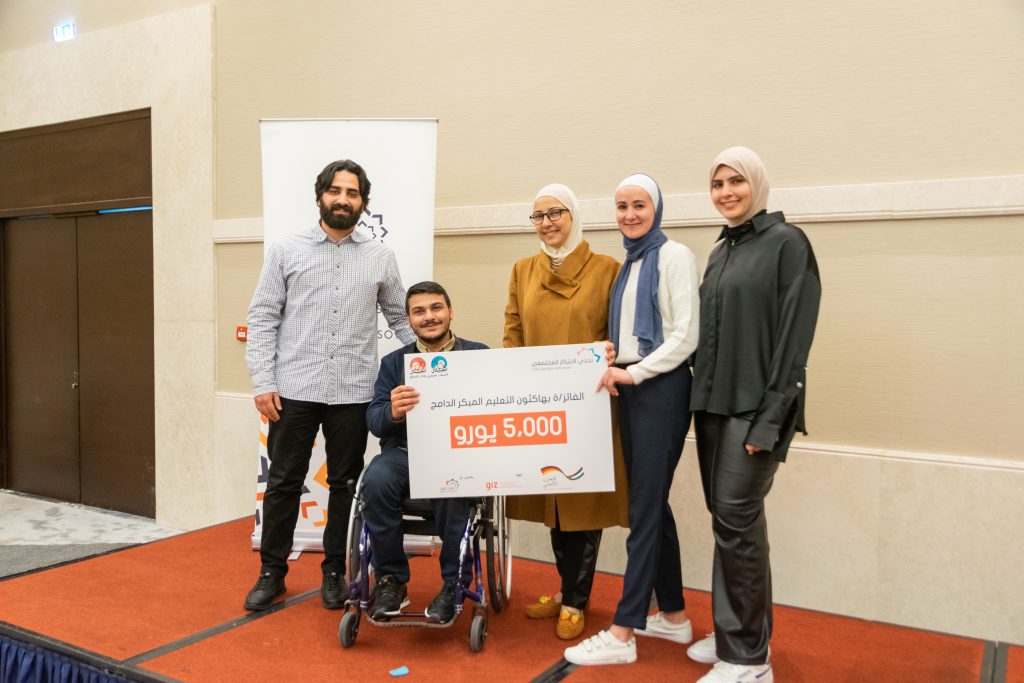
One of the most inspiring examples of this approach is the Social Innovation Challenge, an initiative launched by Leaders of Tomorrow under the leadership of Dr. Sami Hourani. The challenge brings together ambitious young people from diverse socioeconomic, educational, and cultural backgrounds to collaboratively solve pressing social issues through creativity, innovation, mentorship, and practical action.
The initiative is also represented online through SI Challenge.
What is the Social Innovation Challenge?
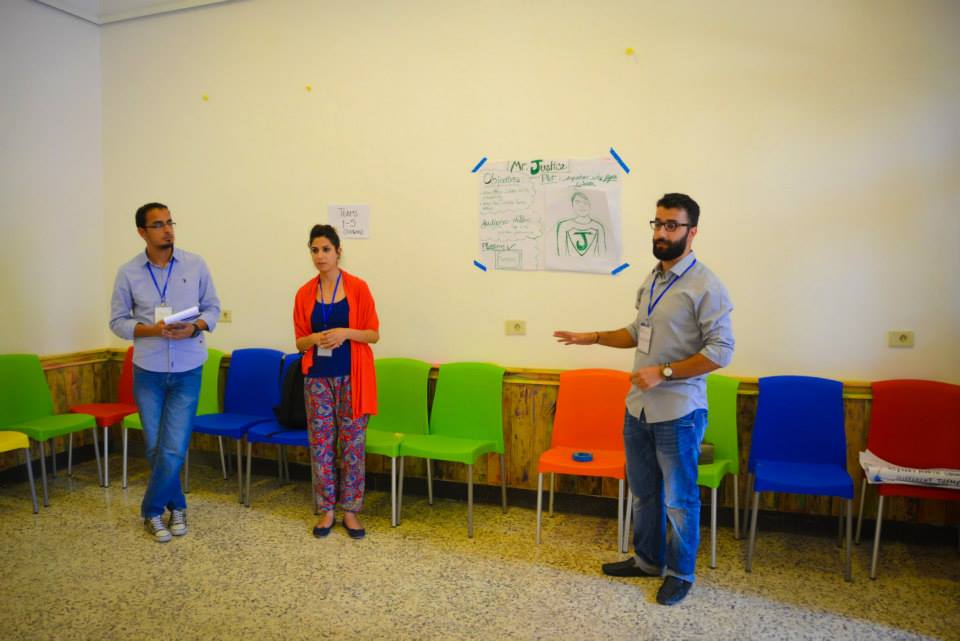
The Social Innovation Challenge is a youth empowerment program designed to help participants transform ideas into impactful social initiatives. Instead of focusing only on theory, the challenge emphasizes practical learning, teamwork, design thinking, and community engagement.
Participants work together to identify real problems affecting their communities and develop innovative solutions that can create measurable social impact. Throughout the program, they receive:
Interactive training sessions
Mentorship from experts and professionals
Leadership and communication coaching
Design thinking and problem-solving workshops
Guidance in project development and implementation
Opportunities to pitch and refine their ideas
The challenge reflects the broader mission of Leaders of Tomorrow: building a generation of young leaders who are capable of driving positive social transformation.
Founded on a Vision of Youth Empowerment
The Social Innovation Challenge was created within the ecosystem of initiatives founded by Dr. Sami Hourani, a Jordanian social entrepreneur and youth advocate widely recognized for his work in civic engagement, education, and innovation.
His work focuses on creating accessible opportunities for youth regardless of their social or economic background.
A Comprehensive Approach to Social Innovation
What makes the Social Innovation Challenge unique is its comprehensive and human-centered approach. The initiative does not simply ask participants to propose ideas; instead, it guides them through a full innovation journey.
Participants are encouraged to:
Understand community needs deeply
Analyze root causes of social problems
Collaborate across different perspectives
Build sustainable and realistic solutions
Develop leadership and storytelling skills
Learn how to turn ideas into actionable projects
The program combines experiential learning with mentorship, allowing youth to gain both technical and personal development skills.
According to UNESCO, similar social innovation programs organized by Leaders of Tomorrow have included training in active citizenship, creative thinking, storytelling, project management, and peacebuilding.
Diversity as a Core Strength
One of the strongest aspects of the Social Innovation Challenge is its focus on diversity and inclusion. Participants come from different governorates, educational levels, economic backgrounds, and cultures.
This diversity creates richer discussions and more innovative solutions. By bringing together young people with different experiences and viewpoints, the challenge encourages empathy, collaboration, and mutual understanding.
The initiative also strengthens social cohesion by creating safe spaces where youth can openly discuss community challenges and work together toward solutions.
Building Real Community Impact
The Social Innovation Challenge is not limited to brainstorming sessions or workshops. Many participants continue developing their projects after the program ends, turning ideas into real initiatives that benefit local communities.
Previous projects developed through Leaders of Tomorrow’s innovation programs have addressed issues related to:
Cultural identity
Youth engagement
Community development
Environmental sustainability
Heritage preservation
Social inclusion
Creative industries
Peacebuilding
UNESCO highlighted how youth participating in these innovation programs launched community initiatives focused on art, culture, recycling, storytelling, and local identity across Jordanian cities including Amman, Zarqa, and Ajloun.
Why Social Innovation Matters
Traditional approaches to solving social problems are often limited by bureaucracy, lack of participation, or outdated systems. Social innovation introduces a more flexible and community-driven model where young people become active contributors instead of passive observers.
Programs like the Social Innovation Challenge help youth develop the confidence and skills needed to become:
Social entrepreneurs
Community leaders
Creative thinkers
Civic innovators
Problem solvers
Change-makers
In a region where unemployment and social challenges affect many young people, empowering youth with innovation and leadership skills can create long-term positive impact.
Leaders of Tomorrow: A Hub for Innovation
Founded in 2007, Leaders of Tomorrow has become one of Jordan’s leading youth-focused organizations and social innovation hubs. The organization works to promote:
Civic engagement
Social accountability
Human rights
Youth leadership
Innovation and entrepreneurship
Educational opportunities
Its initiatives have reached thousands of young people across Jordan and the Arab region through debates, educational programs, innovation challenges, and digital platforms.
Conclusion
The Social Innovation Challenge represents more than just a training program — it is a platform for empowering youth to transform ideas into meaningful action.
By combining mentorship, creativity, leadership, and community engagement, the initiative helps young people become active participants in shaping a better future for their societies.
As Jordan and the wider region continue to face social and economic challenges, initiatives like the Social Innovation Challenge demonstrate the incredible potential of youth-led innovation to create sustainable and positive change.
In a region where many young people face challenges related to civic participation, freedom of expression, and access to leadership opportunities, innovative initiatives that encourage dialogue and critical thinking have become increasingly important. One of the most impactful youth-driven initiatives in Jordan is Mohaka, founded by social entrepreneur Dr. Sami Hourani as part of his broader vision to empower Arab youth.
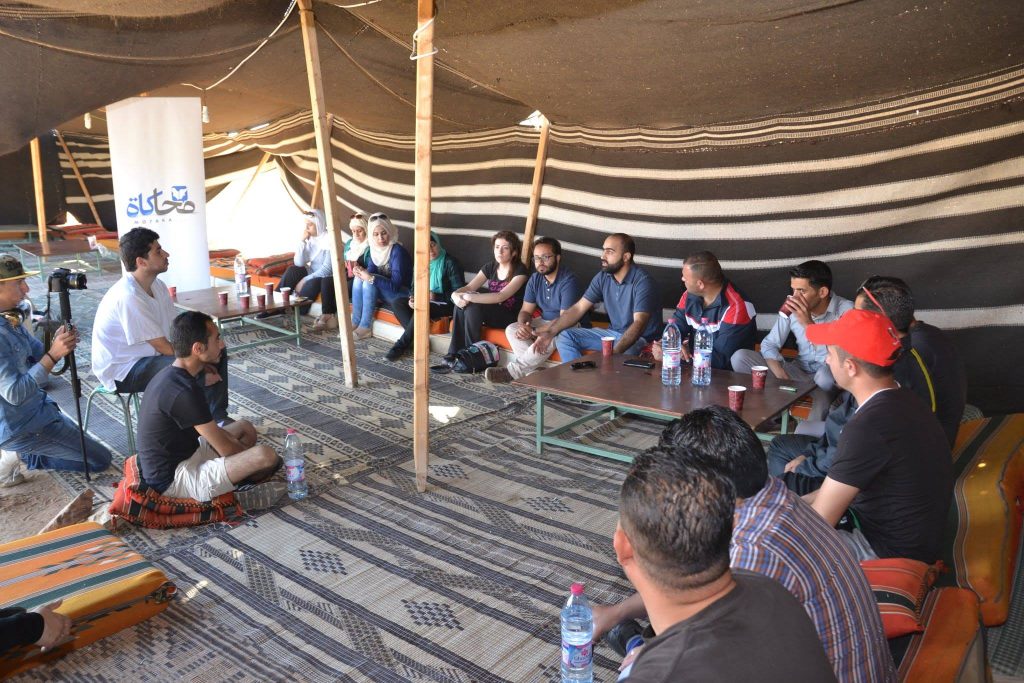
Mohaka, which means “simulation” in Arabic, was created to provide young people with immersive educational experiences that strengthen leadership skills, encourage civic engagement, and promote open dialogue around social and political issues.
What is Mohaka?
Mohaka is a youth-focused initiative built around the concept of simulation and role-playing. The project places participants in realistic scenarios where they must analyze problems, debate ideas, make decisions, and collaborate with others. Through these experiences, participants develop critical thinking, communication, negotiation, and problem-solving skills.
The initiative was established under the umbrella of Leaders of Tomorrow, an organization founded by Dr. Sami Hourani that focuses on youth empowerment, social innovation, civic participation, and educational development across Jordan and the Arab region.
According to the profile of Dr. Sami Hourani published by Ashoka, Mohaka was designed to help youth experience “mind-changing” simulations that challenge traditional ways of thinking and expose participants to important social, political, and human rights issues.
The Vision Behind Mohaka
Dr. Sami Hourani is widely known for creating initiatives that focus on youth inclusion, opportunity sharing, and civic participation. Alongside Mohaka, he also founded projects such as:
For9a.com – one of the largest Arabic platforms for scholarships, jobs, and educational opportunities.
Souq Fann – an e-commerce platform supporting artisans and handmade products in the MENA region.
Diwanieh Debates — public debate forums promoting political dialogue.
Fadfed – a creative methodology for anonymous public expression and social research.
These initiatives share a common goal: creating a generation of informed, engaged, and empowered young people capable of contributing positively to their societies.
How Mohaka Works
Mohaka uses interactive learning methods instead of traditional lectures. Participants engage in simulations inspired by real-world challenges and public affairs. Activities may include:
Political and diplomatic simulations
Mock debates and negotiations
Leadership exercises
Crisis management scenarios
Public speaking and communication workshops
Team-based decision-making activities
By placing youth in realistic situations, Mohaka encourages participants to think independently, analyze complex issues, and understand different perspectives.
The initiative also creates safe spaces where young people can discuss topics that are often considered sensitive or controversial in traditional settings. This approach helps participants gain confidence while strengthening their ability to engage constructively in public life.
Impact on Youth in Jordan
Mohaka has contributed to building a culture of dialogue and participation among Jordanian youth. Through simulations and experiential learning, many participants have improved their:
Leadership abilities
Communication skills
Confidence in public speaking
Teamwork and collaboration
Understanding of civic and political processes
Critical thinking capabilities
The broader work of Dr. Sami Hourani and Leaders of Tomorrow has reached hundreds of thousands of young people across Jordan and the Arab world through training programs, educational platforms, public debates, and youth initiatives.
Why Mohaka Matters
Many educational systems in the region focus heavily on memorization and theoretical learning. Mohaka offers an alternative approach centered on participation, creativity, and active learning.
The initiative demonstrates how simulation-based education can empower youth to become more engaged citizens and future leaders. By encouraging discussion, empathy, and problem-solving, Mohaka helps young people develop the tools needed to navigate increasingly complex social and professional environments.
In addition, Mohaka reflects a larger movement in Jordan toward youth-led innovation and social entrepreneurship a movement in which Dr. Sami Hourani has played a major role.
About Dr. Sami Hourani
Dr. Sami Hourani is a Jordanian social entrepreneur, medical doctor, and youth advocate recognized internationally for his work in youth empowerment and social innovation.
He is an Ashoka Fellow and has received several regional and international recognitions for his contributions to youth development and civic engagement. His work focuses on expanding access to opportunities, encouraging freedom of expression, and creating inclusive spaces for Arab youth.
Conclusion
Mohaka represents more than just a simulation program — it is a platform for empowering young people to think critically, communicate openly, and participate actively in shaping their communities.
Through innovative educational experiences and youth-centered dialogue, Mohaka continues to inspire a new generation of changemakers in Jordan and beyond. As the challenges facing young people evolve, initiatives like Mohaka remain essential for building resilient, informed, and engaged societies.
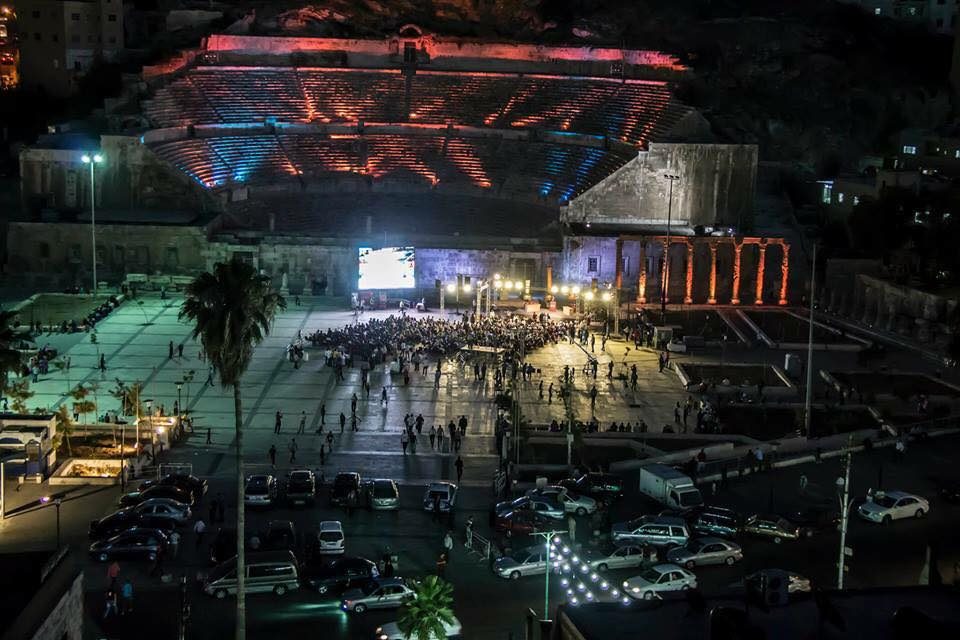
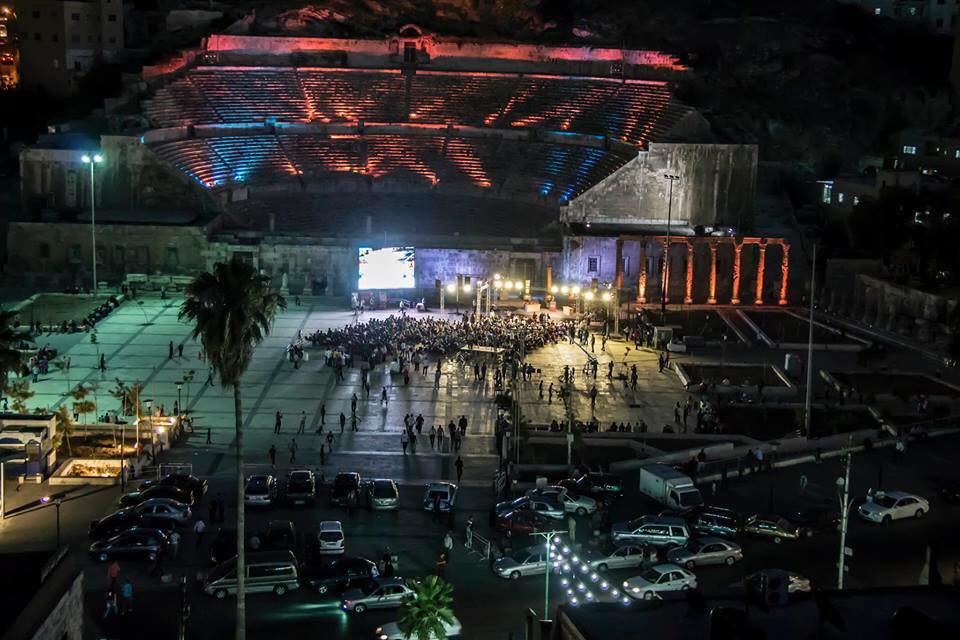
In 2013, Diwanieh — an initiative founded by Dr. Sami Hourani — organized a public dialogue event in Amman under the title:
“The New Press and Publications Law Threatens Freedom of Expression in Jordan.”
The event created an open platform for discussing media freedoms, freedom of expression, and the impact of legislative reforms on journalism and digital media in Jordan. It brought together policymakers, journalists, legal experts, and members of the public to engage in constructive dialogue around one of the country’s most important public issues at the time.
The discussion featured several notable speakers, including:
Director of the Publications and Publishing Department, Mr. Fayez Al-Shawabkeh
Head of the Legal Committee in the House of Representatives, Mr. Mahmoud Al-Kharabsheh
Member of Parliament and political writer, Mr. Jamil Al-Nimri
Founder and Editor-in-Chief of JO24, Mr. Basel Al-Akour
Through events like this, Diwanieh played an important role in encouraging civic dialogue, promoting freedom of expression, and strengthening public participation in discussions related to democratic reform and media development in Jordan.
The event reflected the vision of Dr. Sami Hourani in creating inclusive spaces for dialogue, critical thinking, and community engagement.
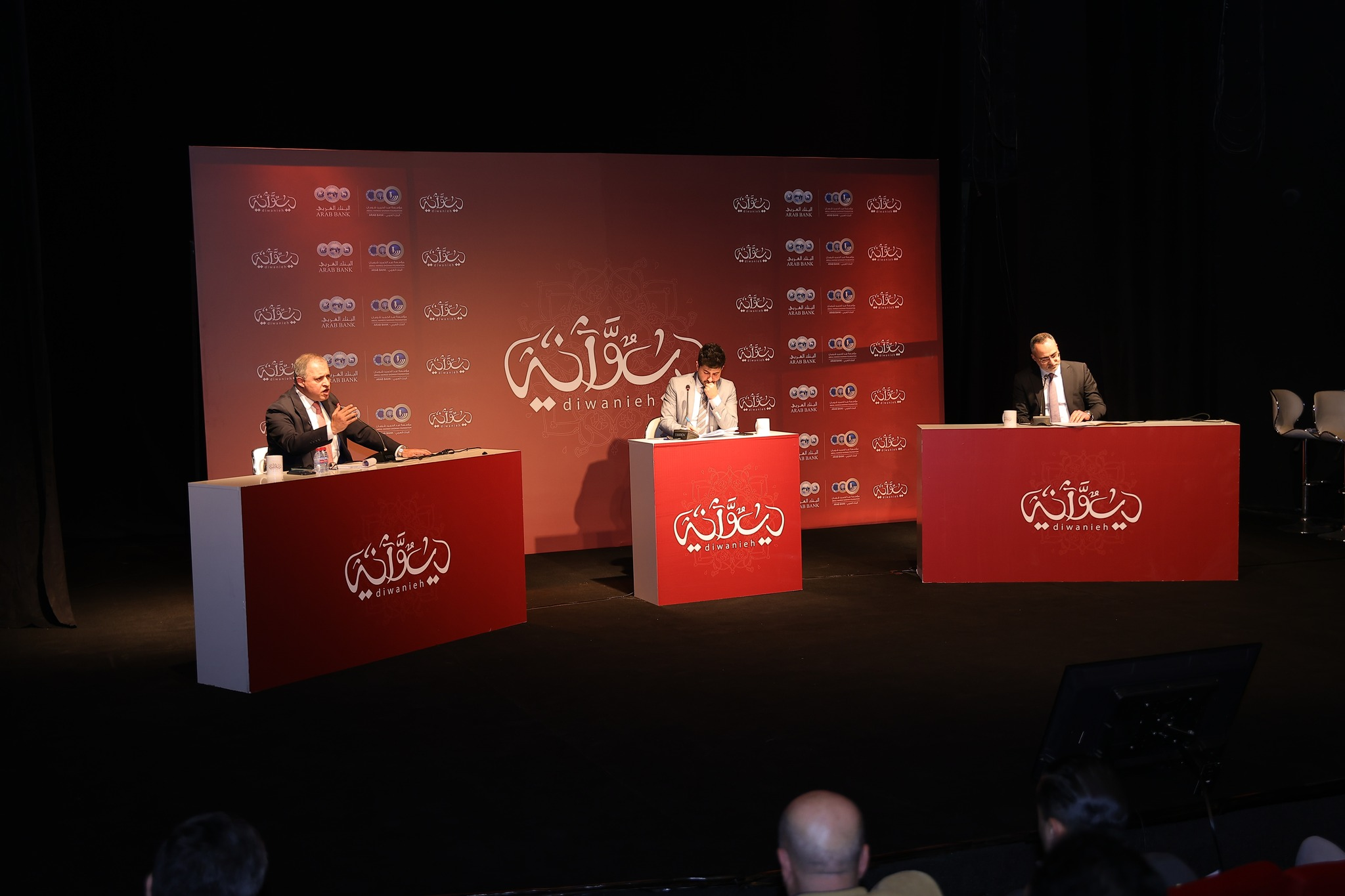
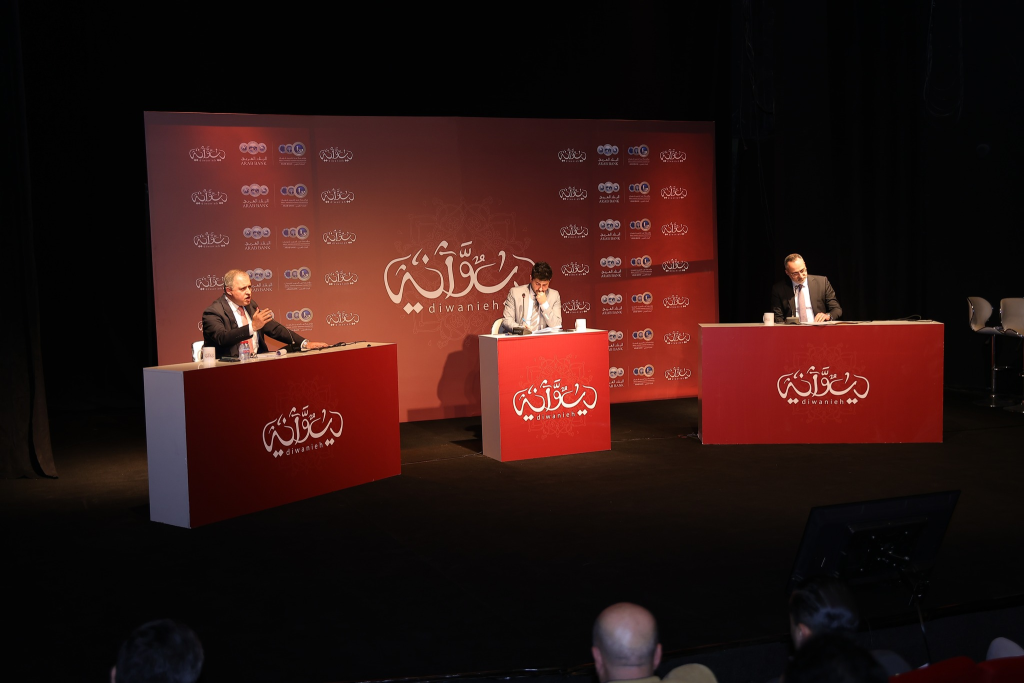
In 2025, Diwanieh — an initiative founded by Dr. Sami Hourani — organized a public dialogue event in Amman under the title:
“There Are No Job Opportunities for Young People in the Presence of Artificial Intelligence.”
The event focused on discussing the growing impact of artificial intelligence on the future of employment and the challenges facing young people in an increasingly technology-driven labor market. The dialogue explored how automation, AI technologies, and digital transformation are reshaping industries, changing workforce demands, and influencing the future of careers in Jordan and globally.
The session brought together policymakers, academics, economic experts, and youth participants in an open discussion about the opportunities and risks associated with artificial intelligence, including the importance of digital skills, innovation, entrepreneurship, and adapting educational systems to meet future labor market needs.
The event featured distinguished speakers, including:
His Excellency Dr. Maan Qatamin, Jordanian politician, economist, and academic
Professor Dr. Ismail Al-Hanti, President of Al-Hussein Technical University
The discussion highlighted the importance of preparing young people for the future economy by investing in technology education, practical skills, creativity, and lifelong learning to ensure that youth remain active contributors in the evolving world of work.
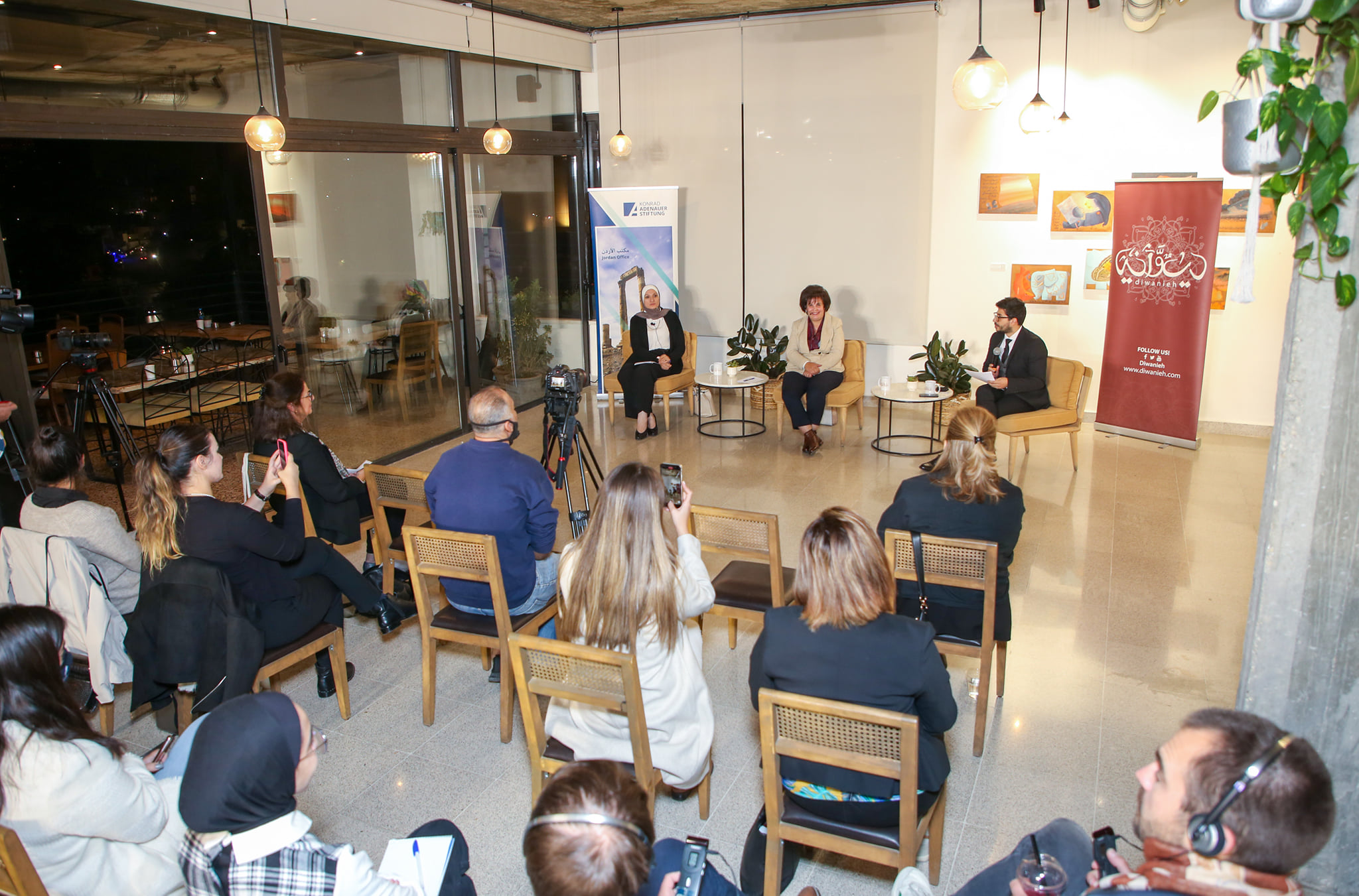
In 2021, Diwanieh — an initiative founded by Dr. Sami Hourani — organized a public dialogue event in Amman under the title:
“Who Determines the Identity of Jordanian Women?”
The event focused on discussing the social, cultural, and legal factors that shape the identity of Jordanian women in contemporary society. The dialogue explored issues related to gender roles, personal freedom, women’s rights, societal expectations, and the evolving role of women in public and professional life.
The session brought together legal experts, academics, activists, and members of the community in an open discussion examining how identity is influenced by legislation, culture, education, media, and social norms, while emphasizing the importance of empowering women and supporting equal participation in society.
The event featured distinguished speakers, including:
Professor Hala Ahed Deeb, practicing lawyer and human rights advocate
Dr. Maisoun Al-Atoum, Director of the Women’s Studies Center at the University of Jordan and internationally accredited expert in gender auditing from the International Labour Organization
The discussion highlighted the importance of promoting dialogue around gender equality, human rights, and social inclusion, while encouraging greater awareness of the challenges and opportunities facing Jordanian women today.
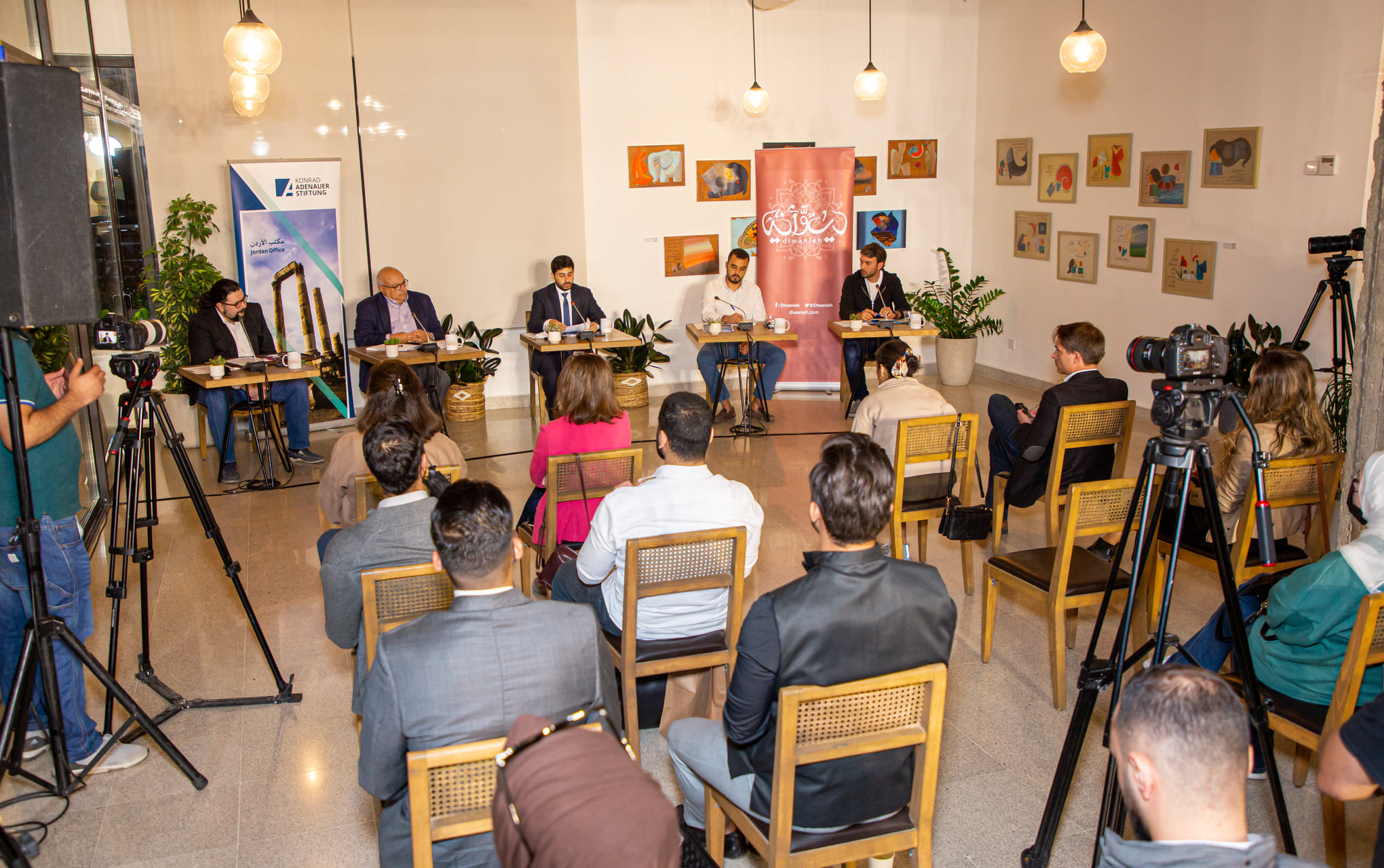
In 2021, Diwanieh — an initiative founded by Dr. Sami Hourani — organized a public dialogue event in Amman under the title:
“Startups Play No Role in the Growth of the Jordanian Economy.”
The event focused on discussing the role of startups and entrepreneurial ventures in shaping Jordan’s economic future. The dialogue explored whether startups can effectively contribute to economic growth, job creation, innovation, and investment opportunities, while also addressing the challenges faced by entrepreneurs in the Jordanian market.
The session brought together economic experts, investors, entrepreneurs, and members of the startup ecosystem in an open discussion about the realities of entrepreneurship in Jordan, including access to funding, scalability, digital transformation, and the sustainability of emerging businesses.
The event featured several distinguished speakers, including:
His Excellency Dr. Yousef Mansour, former Minister of State for Economic Affairs
Mr. Farhan Al-Kalaldeh, CEO and Co-founder of Impact MENA
Mr. Tamer Al-Salah, former CEO of Beyond Capital, a company supporting entrepreneurial ventures
Mr. Hamdi Al-Tabbaa, Co-founder and CEO of Abwab platform
The discussion highlighted the growing importance of innovation and entrepreneurship in modern economies and emphasized the need to create a supportive environment that enables startups to contribute more effectively to Jordan’s economic and social development.
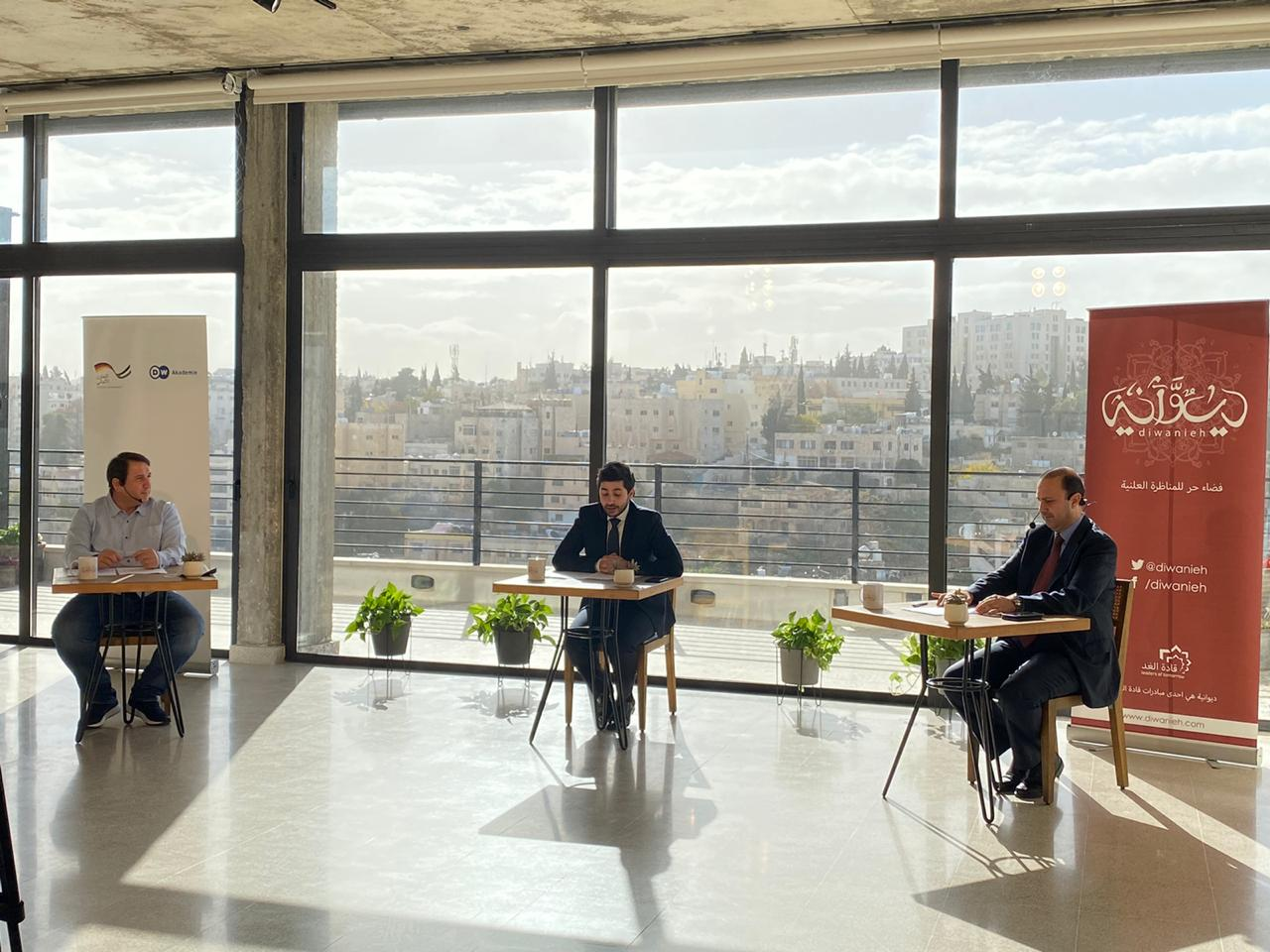
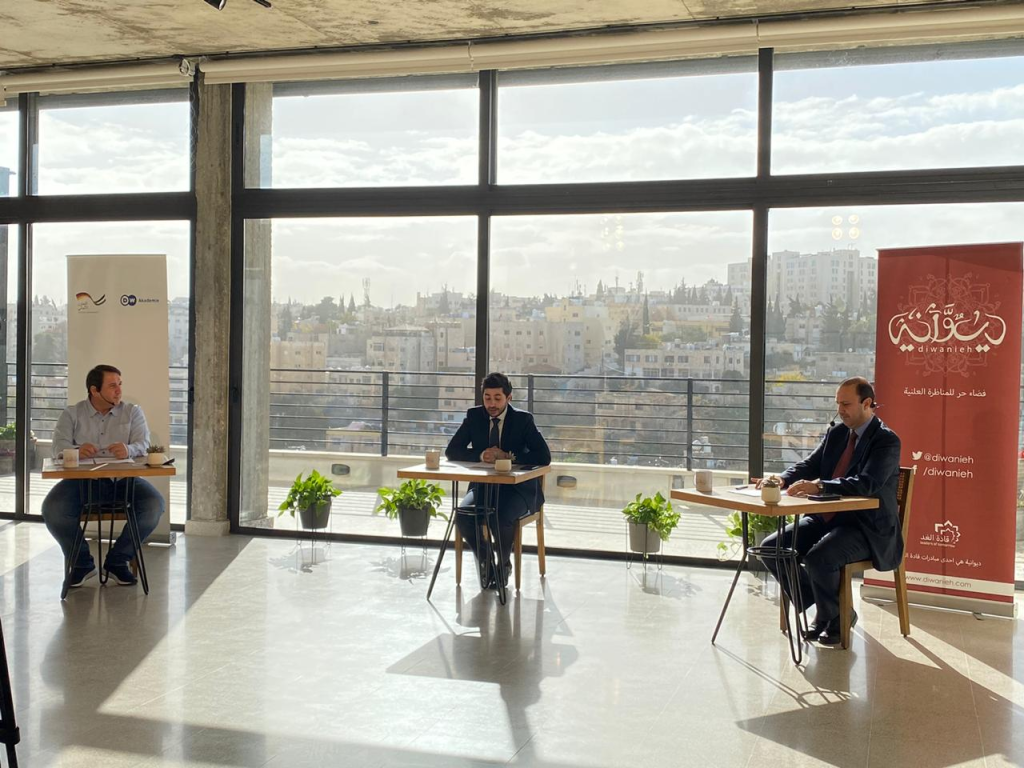
During the COVID-19 pandemic in 2020, Diwanieh — an initiative founded by Dr. Sami Hourani — organized an online public dialogue event under the title:
“Is Social Media a Free Space for Expressing Opinions?”
The event focused on discussing freedom of expression in the digital age and the role of social media platforms in shaping public dialogue and political discourse. The discussion explored questions related to digital freedoms, media regulations, online censorship, public responsibility, and the balance between free expression and legal or societal boundaries.
The online session brought together media professionals, policymakers, and members of the public in an open dialogue examining how social media has transformed communication and public participation, especially during the COVID-19 period when online platforms became central spaces for discussion and information sharing.
The event featured distinguished speakers, including:
Professor Basel Al-Akour, Editor-in-Chief of Jordan 24 News Agency
His Excellency Dr. Mohammad Al-Momani, Member of the Jordanian Senate and former Minister of State for Media Affairs
The discussion highlighted the growing influence of digital platforms on public opinion and emphasized the importance of promoting responsible online dialogue while protecting freedom of expression and constructive civic engagement.
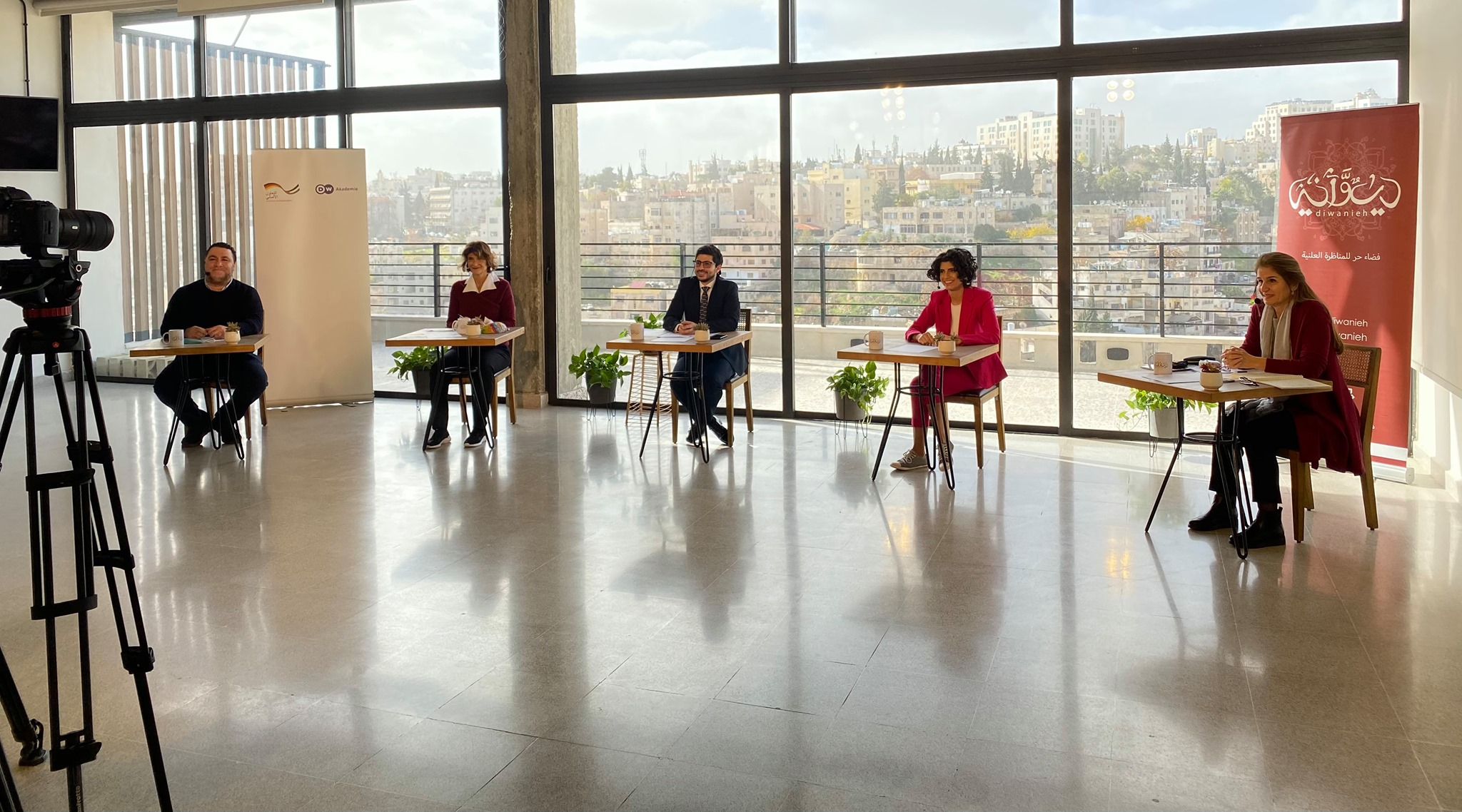
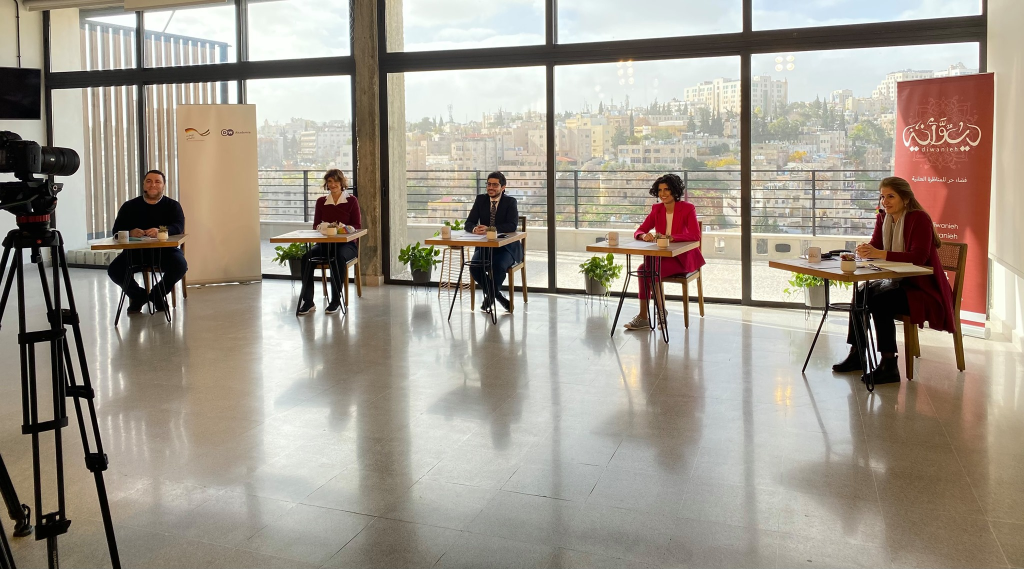
During the COVID-19 pandemic in 2020, Diwanieh — an initiative founded by Dr. Sami Hourani — organized an online public dialogue event under the title:
“Social Media Threatens Society.”
The event focused on discussing the growing influence of social media on individuals and communities, as well as its psychological, cultural, and social impact in the digital age. The dialogue explored topics related to digital identity, misinformation, online behavior, mental health, and the role of social media platforms in shaping public opinion and social relationships.
The online session brought together experts, media professionals, psychologists, and entrepreneurs in an open discussion examining both the opportunities and risks associated with social media use, especially during a period when digital communication became more central due to the COVID-19 pandemic.
The event featured several distinguished speakers, including:
Khaled Al-Ahmad, consultant and author in the field of digital identity building
Professor Rania Attallah, psychologist
Professor Bayan Al-Tal, consultant at the Jordan Media Institute
Professor Sima Al-Najjar, Jordanian entrepreneur
The discussion highlighted the importance of responsible digital engagement, media awareness, and promoting healthier online environments that support constructive communication and social wellbeing.