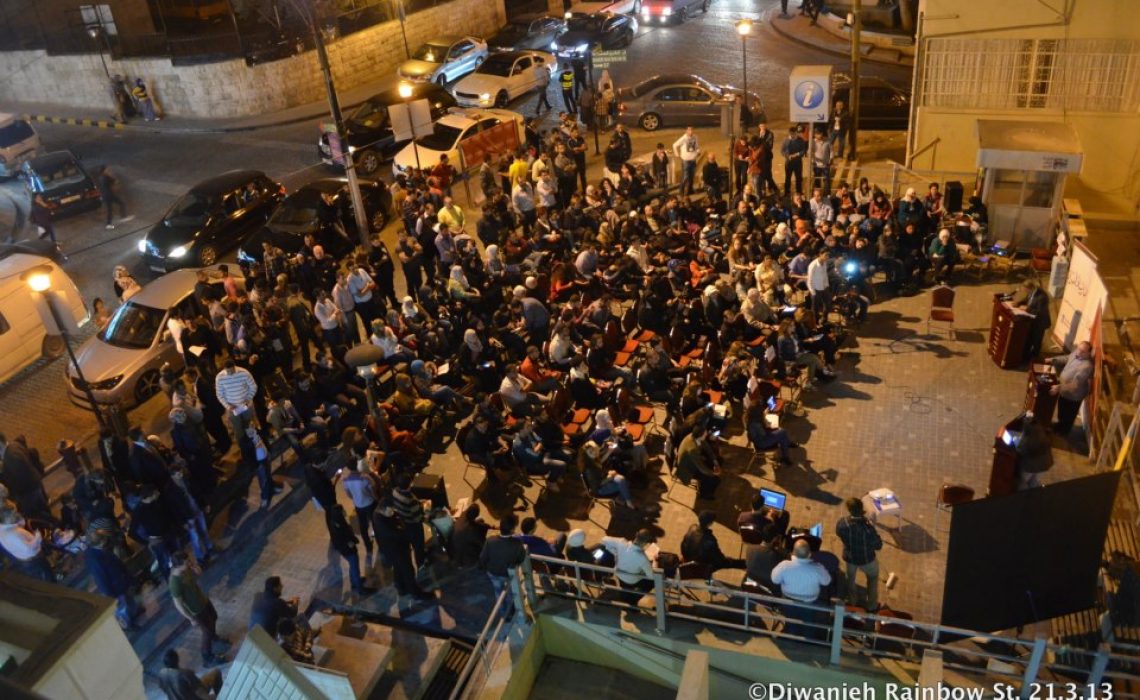
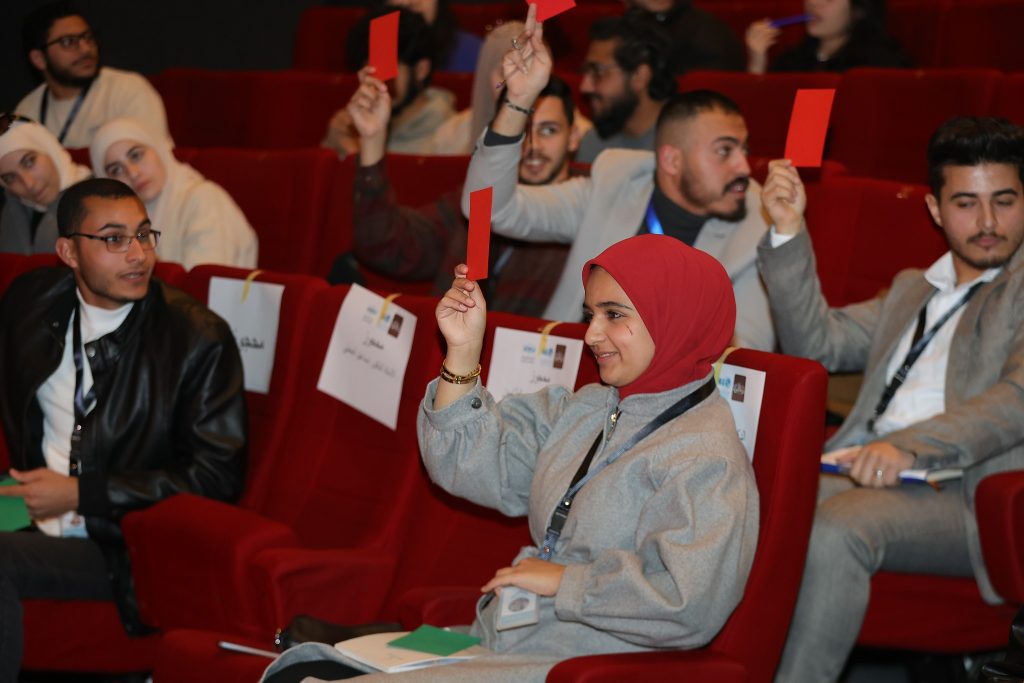
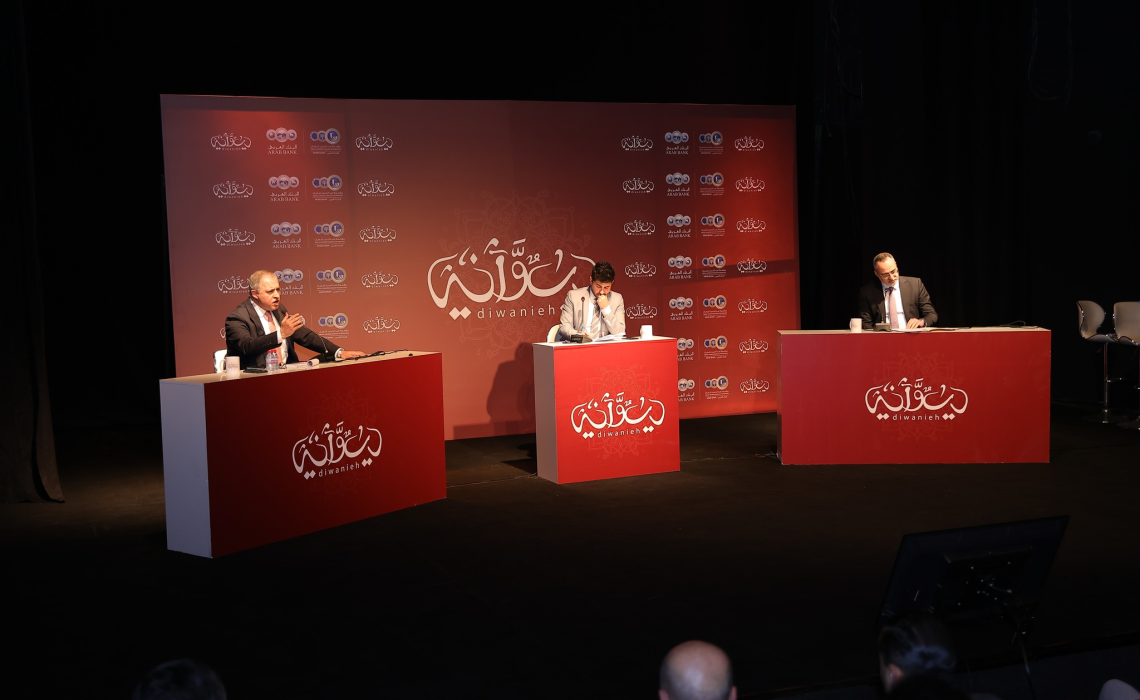
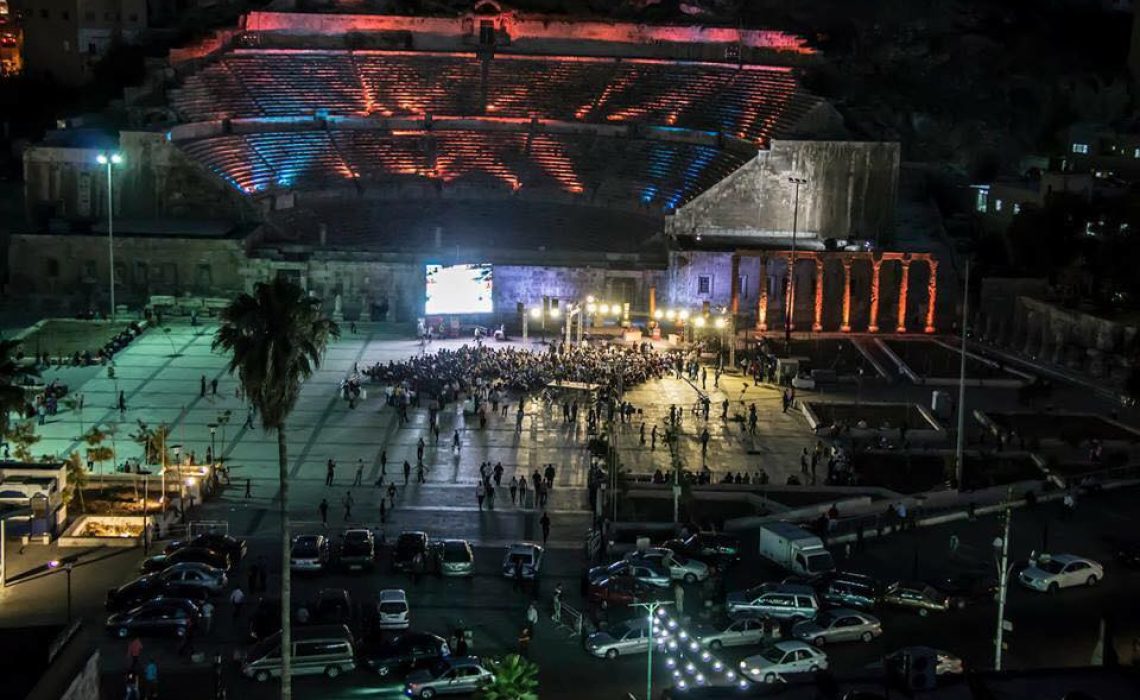
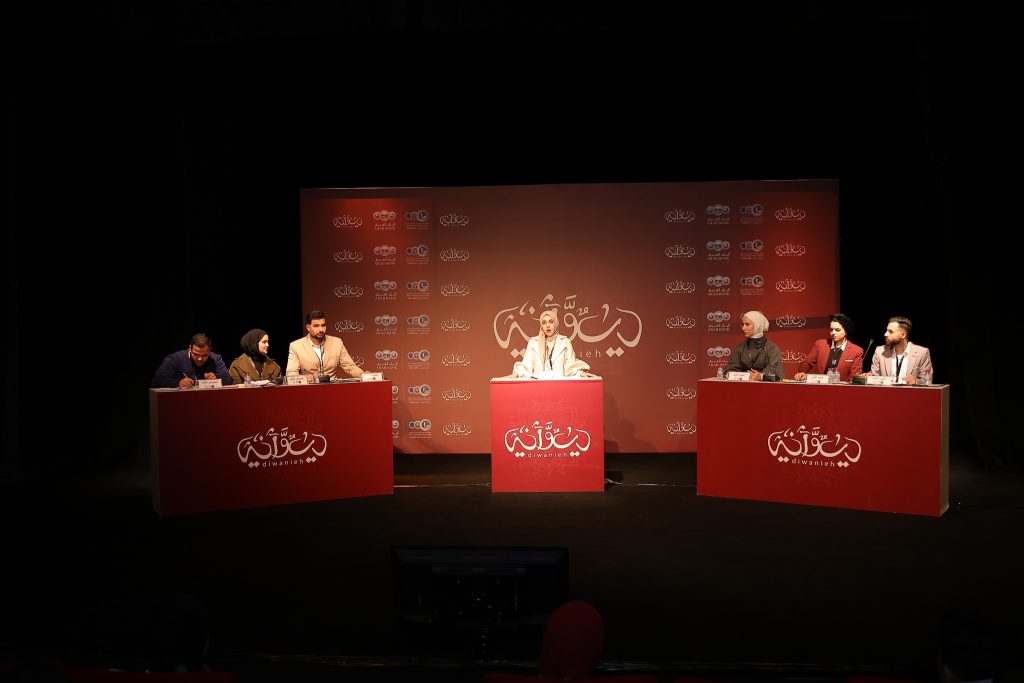
In 2014, Diwanieh — an initiative founded by Dr. Sami Hourani — organized a public dialogue event in Amman under the title:
“The Anti-Terrorism Law Restricts Freedom of Expression.”
The event focused on discussing the implications of the anti-terrorism law on civil liberties, media freedom, and freedom of expression in Jordan. The dialogue explored the balance between national security concerns and the protection of democratic rights and public freedoms.
The session brought together legal experts, political figures, activists, and members of the public in an open discussion addressing the legal and societal impact of the legislation, as well as its influence on political participation and public discourse.
The event featured distinguished speakers, including:
His Excellency Engineer Musa Al-Maayta
Lawyer Professor Saed Karajeh
The discussion emphasized the importance of constructive dialogue around legislation affecting public freedoms and highlighted the role of civic engagement in shaping informed and inclusive policy conversations in Jordan.
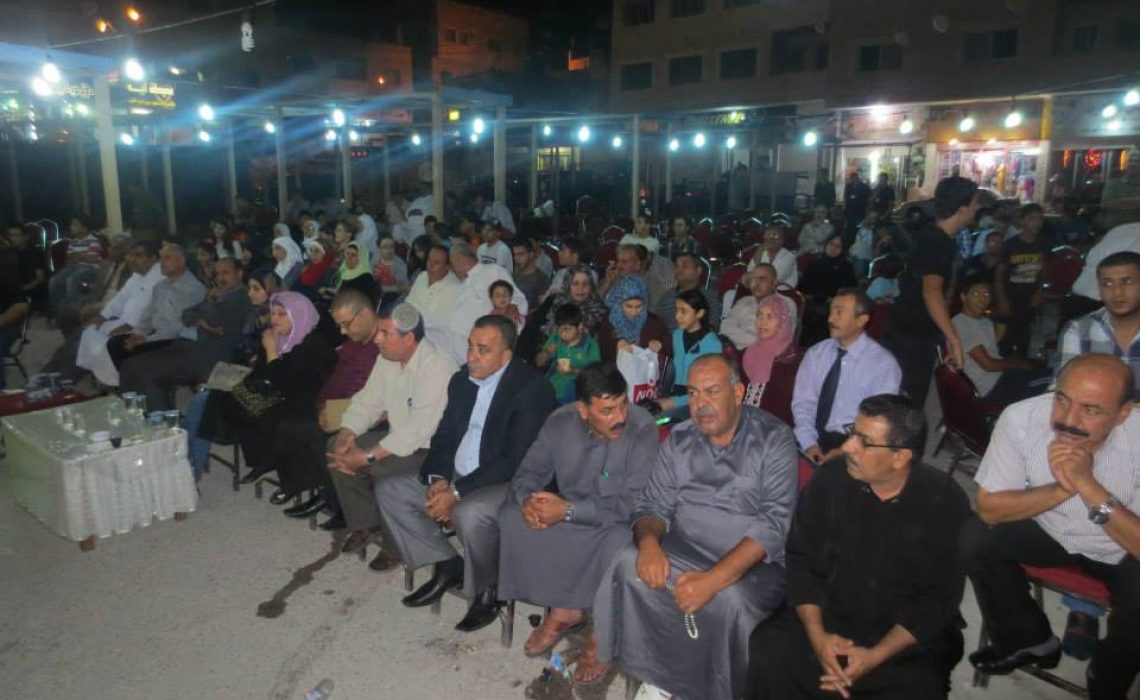
In 2014, Diwanieh — an initiative founded by Dr. Sami Hourani — organized a public dialogue event in Zarqa under the title:
“The Performance of Zarqa Municipality Meets the Aspirations of Citizens.”
The event focused on discussing the role and performance of Zarqa Municipality in addressing the needs and expectations of citizens, particularly in areas related to urban development, infrastructure, economic growth, and public services.
The discussion created an open platform for dialogue between municipal officials, community leaders, and residents, allowing participants to exchange perspectives on the challenges facing the city and the opportunities for improving local governance and municipal services.
The session featured several distinguished speakers, including:
Mayor of Zarqa, Engineer Emad Al-Momani
Head of the Development Unit, Engineer Muhammad Al-Zawahreh
His Excellency Senator Dr. Mustafa Al-Fayyad
President of the Zarqa Chamber of Commerce, Mr. Hussein Shreim
The event highlighted the importance of community engagement and transparent dialogue in strengthening local development efforts and improving cooperation between citizens and public institutions in Zarqa.
In 2014, Diwanieh — an initiative founded by Dr. Sami Hourani — organized a public dialogue event in Mafraq under the title:
“The Syrian Crisis Threatens Jordan’s Stability.”
The event focused on discussing the social, economic, and political impact of the Syrian crisis on Jordan, particularly on border communities and governorates heavily affected by the refugee situation. The discussion highlighted the challenges related to infrastructure, public services, employment, and local stability.
The event brought together public figures, local officials, and community members to exchange perspectives on how Jordan could address the growing pressures caused by the regional crisis while maintaining social cohesion and national stability.
The session featured several notable speakers, including:
His Excellency Dr. Abdullah Owaidat
Mayor of Mafraq, His Excellency Dr. Ahmed Al-Hawamdeh
His Excellency Dr. Ali Al-Dala’een
His Excellency Mr. Ali Al-Armouti
Through events like this, Diwanieh contributed to promoting public dialogue on critical national and regional issues while encouraging civic engagement and community participation.
In 2014, Diwanieh — an initiative founded by Dr. Sami Hourani — organized a public dialogue event in Wadi Musa under the title:
“The Petra Development and Tourism Region Authority Has a Positive Impact on the District.”
The event focused on discussing the developmental and economic role of the Petra Development and Tourism Region Authority and its impact on local communities, tourism, infrastructure, and public services in the Petra region.
The dialogue brought together officials, community leaders, and residents to exchange views on sustainable development, tourism investment, and the future of the district. The event encouraged open discussion between citizens and decision-makers on the opportunities and challenges facing the region.
The session featured several notable speakers, including:
Dr. Mohammad Al-Nawafleh, Chairman of the Petra Development and Tourism Region Authority
Dr. Imad Hijazeen, Commissioner of the Petra Reserve and Vice Chairman of the Authority
Mr. Ali Raja Al-Nasrat
Mr. Khader Al-Nawafleh
Through events like this, Diwanieh contributed to strengthening civic participation and promoting dialogue around local development and public policy issues in Jordan.
In 2013, Diwanieh — an initiative founded by Dr. Sami Hourani — organized a public dialogue event in Amman under the title:
“Is a Jordanian Woman Entitled to Pass on Her Nationality to Her Family?”
The event focused on one of the most important social and legal debates in Jordan, addressing citizenship rights, gender equality, and the challenges faced by Jordanian women whose family members are not able to obtain Jordanian nationality.
The discussion brought together journalists, legal experts, activists, and members of the community to exchange perspectives and encourage constructive dialogue around citizenship laws and equal rights.
The event featured several notable speakers, including:
Editor-in-Chief of Al-Arab Al-Yawm newspaper and writer, Mr. Nabil Ghishan
Media spokesperson for the “My Nationality is My Family’s Right” coalition, journalist Aroub Subh
Lawyer Saed Karaja
Through initiatives like this, Diwanieh contributed to promoting civic dialogue and raising awareness around social justice, legal reform, and human rights issues in Jordan.
The event reflected the vision of Dr. Sami Hourani in creating open spaces for discussion, community engagement, and meaningful public participation on issues affecting Jordanian society.
In 2013, Diwanieh – an initiative founded by Dr. Sami Hourani – organized a public dialogue event in Zarqa focused on discussing the challenges of the municipal election law in Jordan under the title:
“The Municipal Election Law Does Not Meet the Requirements of Municipalities in Jordan.”
The event brought together community members, local leaders, activists, and youth in an open civic discussion that encouraged public participation and democratic dialogue. The session hosted several prominent speakers, including:
Former Mayor of Al-Rusaifa, Mr. Musa Al-Saad
Lawyer and political activist, Dr. Issam Al-Jabali
Mr. Muhammad Al-Zawahra
The Diwanieh event aimed to create a space where citizens could openly discuss political reform, municipal governance, and the future of local participation in Jordan. Through initiatives like this, Diwanieh contributed to strengthening civic engagement and promoting constructive community conversations across Jordan.
The event reflected the vision of Dr. Sami Hourani in empowering communities through dialogue, awareness, and inclusive public participation.
In a region where many young people struggle to express their opinions freely, innovative initiatives that create safe spaces for dialogue and communication become increasingly important. One of the most unique youth-led initiatives in Jordan is FADFED, founded by Jordanian social entrepreneur Sami Hourani as part of his broader mission to empower youth and encourage civic participation in Jordan and the Arab world.
FADFED is not just another social project. It is a creative social accountability and qualitative research methodology that gives ordinary people a voice and transforms public opinions into meaningful conversations that can influence communities and decision-makers alike.
What is FADFED?
The word “FADFED” comes from the Arabic expression meaning “let it out” or “speak your mind.” The initiative was designed to encourage people to share their thoughts, feelings, and opinions openly — especially regarding sensitive social, political, and personal issues that are often difficult to discuss publicly.
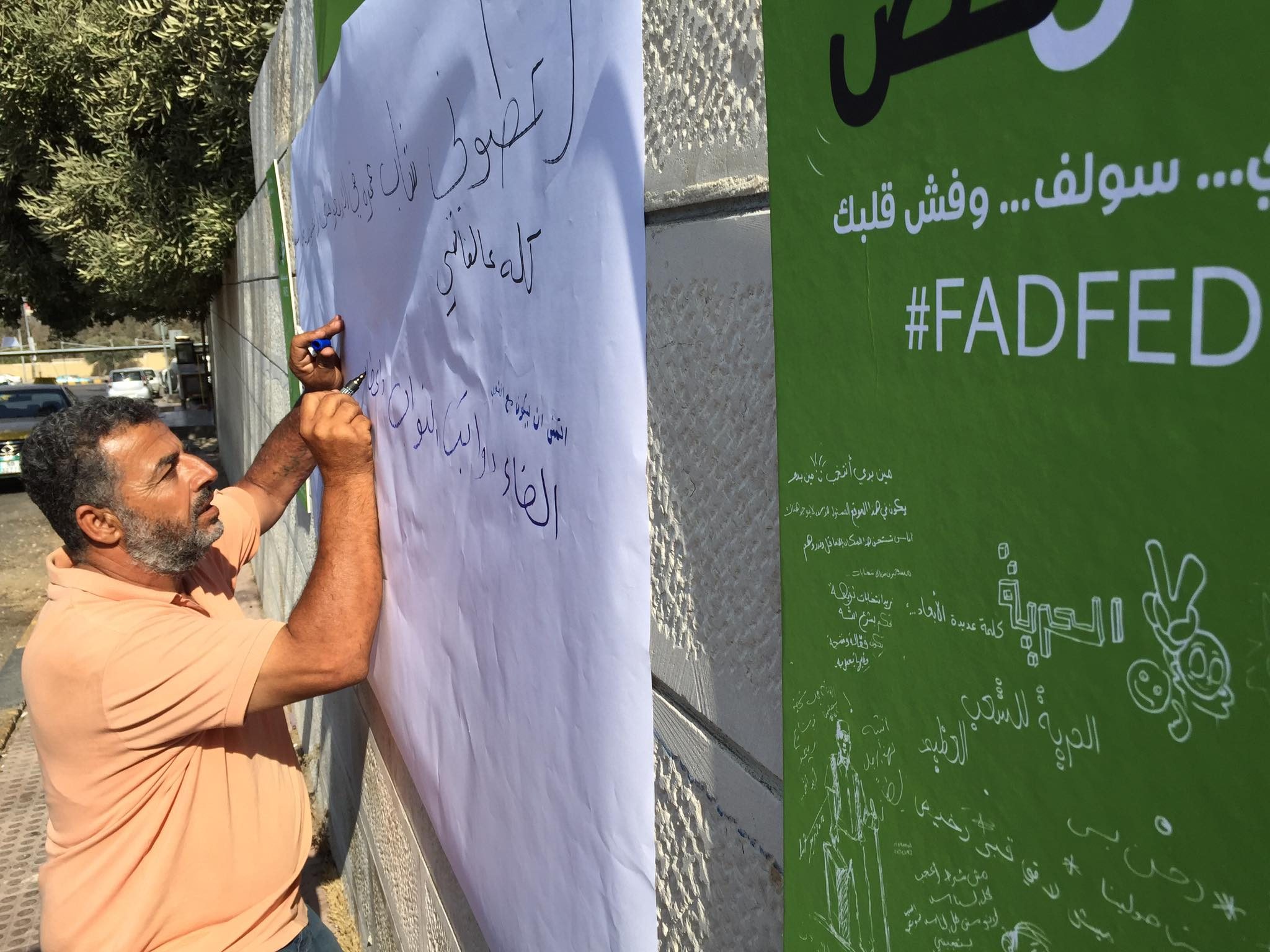
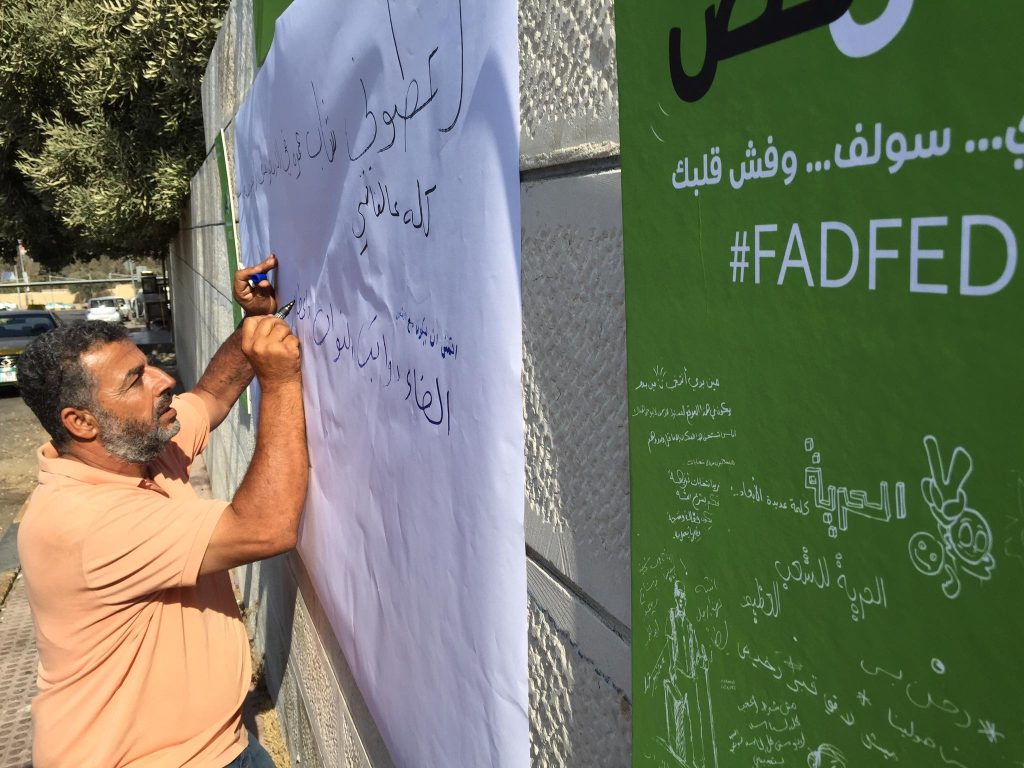
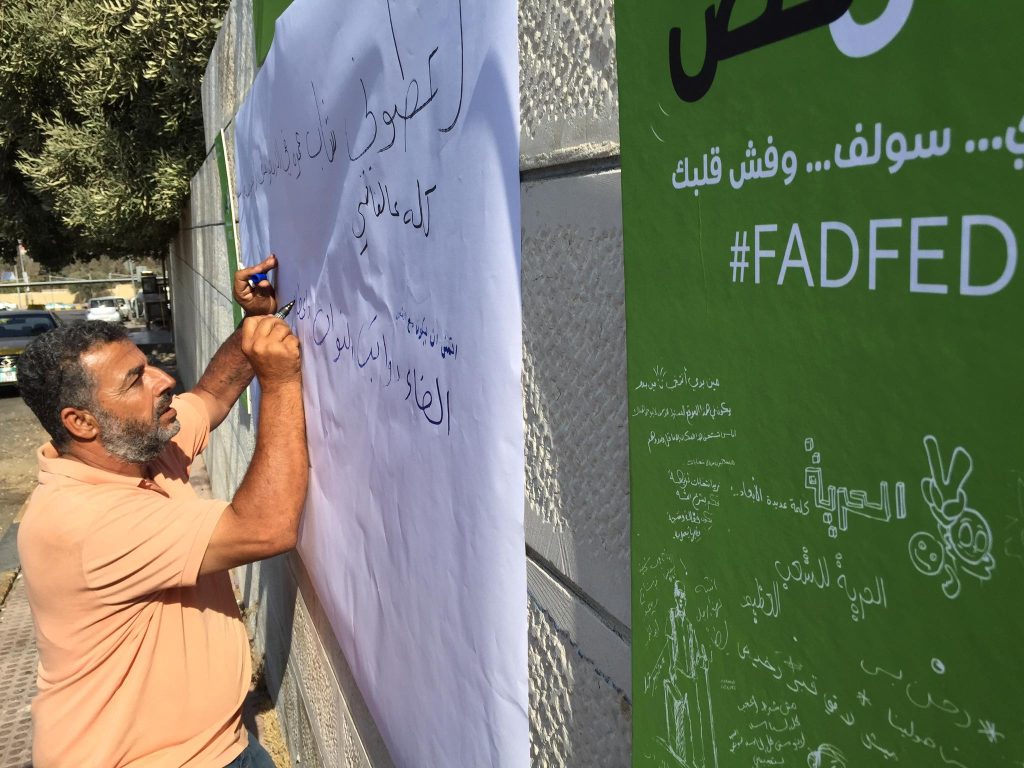
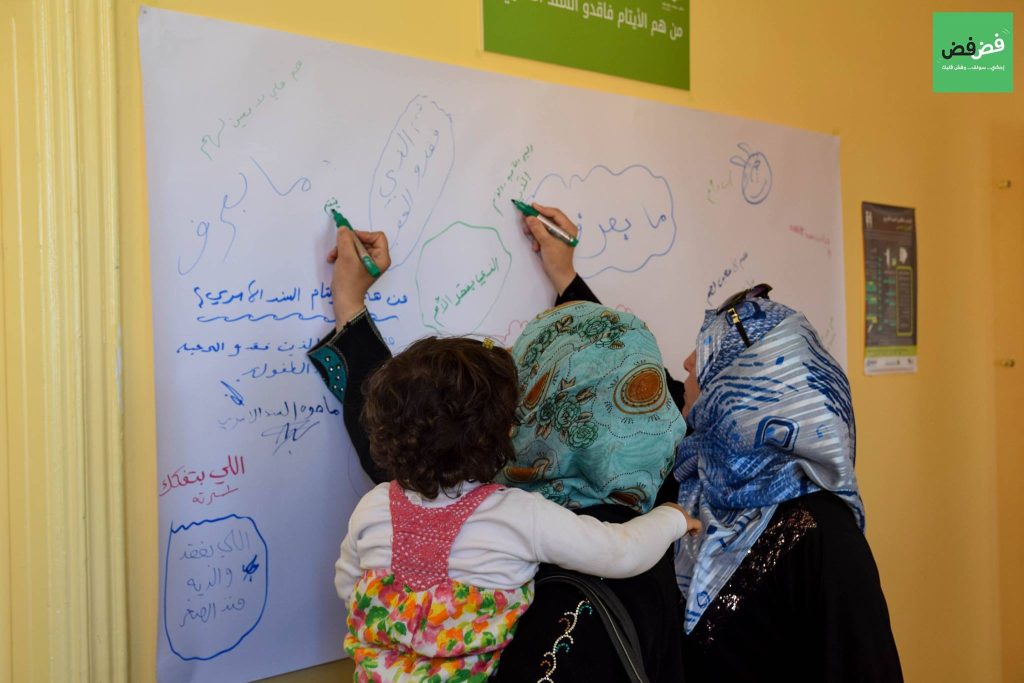
According to interviews and profiles featuring Sami Hourani, the initiative works by placing large interactive boards in public spaces where people can anonymously write answers, opinions, confessions, or reactions to specific questions.
This simple but powerful idea allows individuals to participate without fear of judgment or censorship.
The Vision Behind FADFED
FADFED was created as part of the broader work of Leaders of Tomorrow, a Jordanian youth organization founded by Sami Hourani. The organization focuses on youth empowerment, civic engagement, leadership development, and social innovation in Jordan and the MENA region.
The initiative emerged from a need to:
Encourage freedom of expression among youth
Understand public opinion in a more honest and human way
Create safe spaces for dialogue
Promote civic participation
Reduce fear surrounding sensitive conversations
Help policymakers better understand societal concerns
Unlike traditional surveys or research methods, FADFED uses public interaction, visual expression, and anonymous participation to gather authentic perspectives from people across different backgrounds.
How FADFED Works
FADFED often starts with a simple yet thought-provoking question written on a public board. Examples may include topics related to:
Education
Politics
Youth unemployment
Social pressure
Women’s rights
Identity
Mental health
Freedom of expression
Relationships and family expectations
Participants are invited to write their responses directly on the board anonymously. This approach removes barriers and allows people to express themselves more honestly.
The collected responses are later analyzed and transformed into visual reports, diagrams, and qualitative insights that can help organizations, researchers, activists, and decision-makers understand public sentiment better.
A Different Approach to Research
One of the reasons FADFED gained attention internationally is because it introduced a more human-centered way of conducting qualitative research.
Traditional research methods such as surveys and interviews may sometimes limit how openly people communicate. FADFED, however, creates a spontaneous and emotionally engaging environment that encourages participation from people who might never join formal discussions.
This innovative methodology helped position FADFED as more than just an awareness campaign. It became a creative tool for:
Community engagement
Participatory research
Social accountability
Public dialogue
Urban interaction
Youth empowerment
The Role of Dr. Sami Hourani
Sami Hourani is widely known in Jordan and the Arab region for launching impactful youth-focused initiatives including:
He is recognized as an Ashoka Fellow and has received several regional awards for innovation, youth empowerment, and social entrepreneurship.
Through FADFED, Dr. Hourani aimed to bridge the gap between communities and decision-makers by turning public emotions and thoughts into visible conversations that cannot easily be ignored.
Why FADFED Matters in Jordan
Jordan has one of the youngest populations in the region, and youth voices play a major role in shaping the country’s future. However, many young people still face challenges related to participation, expression, and representation.
FADFED matters because it:
Gives youth a voice
Encourages honest dialogue
Promotes social inclusion
Creates safe spaces for expression
Helps communities discuss difficult topics
Supports participatory democracy
The initiative also demonstrates how creativity and public interaction can become powerful tools for social change.
International Recognition
The work of Sami Hourani and his initiatives has been highlighted by international organizations and institutions including the Yale School of Management and the Wilson Center.
FADFED has been recognized as an example of innovative civic engagement and creative social accountability emerging from the Middle East.
The Future of Social Innovation
As societies continue searching for better ways to communicate and engage citizens, projects like FADFED offer valuable lessons in participatory design and community-driven dialogue.
The initiative proves that sometimes the simplest ideas — a question, a marker, and a public space — can create powerful conversations capable of inspiring awareness, empathy, and change.
In a world increasingly dominated by digital noise and polarization, FADFED reminds us that people still want to be heard, understood, and involved in shaping their communities.
Through creativity, openness, and trust, FADFED continues to represent a unique Jordanian model for expression, dialogue, and social innovation.
In a region where many young people often feel unheard, initiatives that encourage open dialogue and self-expression can create real social change. One of the most innovative examples in Jordan is FadFad, a youth-driven social initiative founded by Dr. Sami Hourani under the umbrella of Leaders of Tomorrow.
FadFad, which translates roughly to “let it out” in Arabic, was designed as a creative and safe platform where people can express their thoughts, frustrations, hopes, and opinions freely – especially on sensitive social and political topics that are often difficult to discuss publicly.
The initiative reflects Dr. Hourani’s broader mission of empowering Arab youth through dialogue, civic engagement, education, and equal access to opportunities.
The Vision Behind FadFad
Jordanian entrepreneur and social innovator Dr. Sami Hourani is widely known for founding several impactful initiatives including For9a.com, Souq Fann, and Diwanieh Debates. His projects focus on youth empowerment, civic participation, and creating spaces for people to share ideas regardless of their social background.
FadFad emerged as a response to a common problem across many societies: people often hesitate to openly express opinions on controversial issues due to fear of judgment, criticism, or censorship.
To solve this challenge, FadFad introduced a simple but powerful concept.
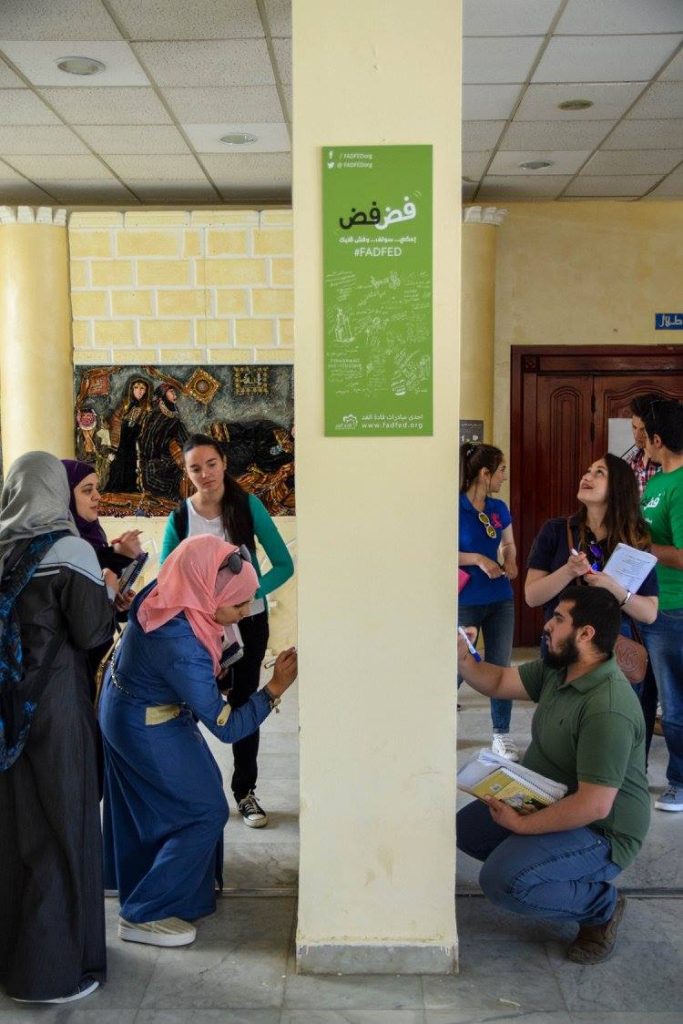
The initiative places large public boards in universities, streets, events, and public spaces where people anonymously answer questions, write opinions, or share emotions. Participants can freely express themselves without revealing their identities, creating a more honest and authentic form of public dialogue.
How FadFad Works
The methodology behind FadFad is intentionally simple and accessible.
Participants are invited to respond to questions written on large whiteboards or posters placed in public areas. Questions often focus on topics such as:
Youth unemployment
Education challenges
Freedom of expression
Gender roles
Politics and civic participation
Social pressure
Mental health and identity
Hope and future aspirations
Because responses are anonymous, people tend to answer more openly and emotionally than they would in traditional surveys or public discussions.
According to interviews and organizational descriptions, the collected responses are later analyzed and transformed into reports, visual maps, and qualitative research materials that help policymakers, researchers, and organizations better understand public opinion and youth concerns.
A Different Kind of Research Methodology
One of the most unique aspects of FadFad is that it combines:
Civic engagement
Public art
Social dialogue
Qualitative research
Community participation
Rather than relying only on formal questionnaires or academic studies, FadFad creates a more human-centered and emotionally driven approach to understanding society.
The initiative was even described by Dr. Hourani as an innovative research methodology that could potentially be licensed and expanded regionally.
This makes FadFad more than just a social campaign – it is also a tool for measuring public sentiment and encouraging participation from people who may otherwise stay silent.
Encouraging Youth Participation in Jordan
Jordan has one of the youngest populations in the region, and youth engagement has become an increasingly important topic over the years.
Through FadFad and related initiatives such as Diwanieh Debates, Dr. Sami Hourani has worked to make public dialogue more inclusive and accessible to ordinary citizens, not only politicians or academics.
The project helps young people feel that their opinions matter and that they can contribute to discussions about their communities and future.
This approach aligns with the broader philosophy of Leaders of Tomorrow, the Jordanian organization founded in 2007 to support youth leadership, entrepreneurship, critical thinking, and civic engagement.
Creativity as a Tool for Social Change
What makes FadFad particularly powerful is its use of creativity and public interaction.
Instead of formal conferences or complicated political discussions, the initiative transforms sidewalks, campuses, and public venues into interactive spaces for conversation.
People passing by can stop for a moment, write a sentence, read others’ opinions, and realize that many people share similar fears, frustrations, or hopes.
This creates:
Greater empathy
Community dialogue
Social awareness
Reduced fear of expression
Increased civic participation
In many ways, FadFad demonstrates how simple ideas can generate meaningful social impact when combined with trust, openness, and creativity.
The Impact of FadFad
Over the years, FadFad became part of a larger ecosystem of youth empowerment initiatives connected to Leaders of Tomorrow and Dr. Sami Hourani’s social entrepreneurship journey.
The initiative has contributed to:
Expanding public dialogue in Jordan
Encouraging freedom of expression
Giving youth safer channels to communicate
Providing qualitative insights for policymakers
Building stronger civic engagement among young people
Its success also helped position Dr. Sami Hourani as one of Jordan’s leading social entrepreneurs and innovators. He later received regional and international recognition for his work, including the TAKREEM Young Entrepreneur Award and recognition from global organizations such as Ashoka.
Conclusion
FadFad is more than a public expression project, it is a reflection of the growing need for inclusive dialogue and youth participation in Jordan and the Arab world.
Founded by Dr. Sami Hourani, the initiative shows how creativity, trust, and simple community interaction can become powerful tools for understanding society and empowering people.
At a time when many young people struggle to feel heard, initiatives like FadFad remind us that sometimes giving people a space to “let it out” can be the first step toward meaningful change.
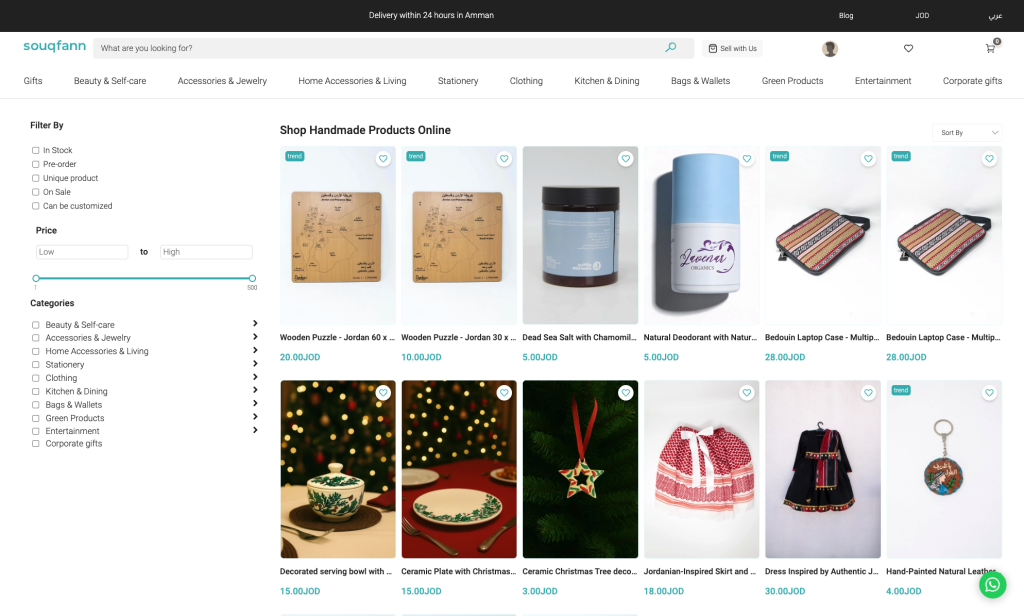
In recent years, Jordan has witnessed the rise of innovative social enterprises that combine technology, culture, and entrepreneurship to create meaningful economic impact. Among the most inspiring examples isSouq Fann, a first of its kind Jordanian e-commerce platform that is transforming the way local artisans and handmade creators reach customers across Jordan and beyond.
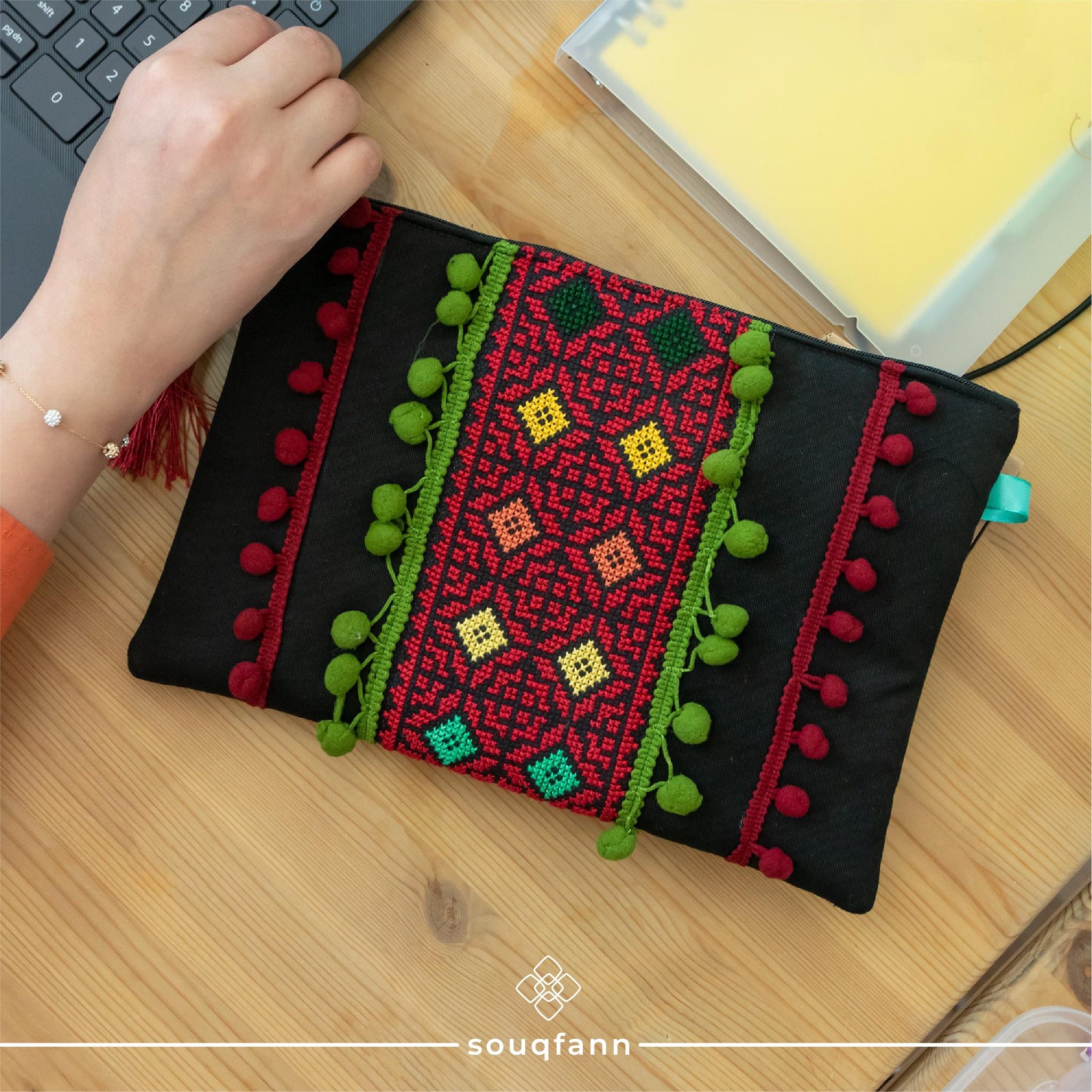
Souq Fann, which translates to “Art Market” in Arabic, was established to support artists, artisans, and handicraft producers by giving them access to digital markets, professional branding, delivery services, and wider audiences. The platform has become one of Jordan’s leading marketplaces for handmade and locally produced products, helping preserve cultural heritage while creating sustainable income opportunities for creatives.
The Vision Behind SouqFann
The idea behind SouqFann emerged from a clear challenge within the local creative economy. Many talented artisans in Jordan produce high-quality handmade goods but struggle with marketing, online selling, packaging, logistics, and customer outreach. At the same time, customers often find it difficult to access authentic locally made products in one trusted place.
https://www.youtube.com/watch?v=FfbXVEWlaF8
Recognizing this gap, Dr. Sami Hourani launched SouqFann as a technology-driven solution that empowers artisans while simplifying the shopping experience for consumers.
Supporting Local Artisans and Handmade Products
One of SouqFann’s strongest contributions is its support for local artisans, especially women, home-based businesses, refugees, and small creative entrepreneurs. The platform enables vendors to focus on their craft while Souq Fann handles many operational aspects such as:
Product photography
Online marketing
Customer support
Packaging and shipping
Payment processing
Digital storefront management
This model helps artisans increase their sales and professionalize their businesses without requiring advanced technical or marketing expertise.
Today, SouqFann features thousands of products from hundreds of artisans and small brands across Jordan. According to the company, the platform continues to grow steadily by onboarding new stores and creators every week.
Expanding Impact and Collaborations
Starting 2025 – 2026, SouqFann has been collaborating and running the operation for two of the largest goverment platforms in Jordan targeting local crafts and handmade art.: Khairat Aldar and Petra Products.
Khirat Al Dar
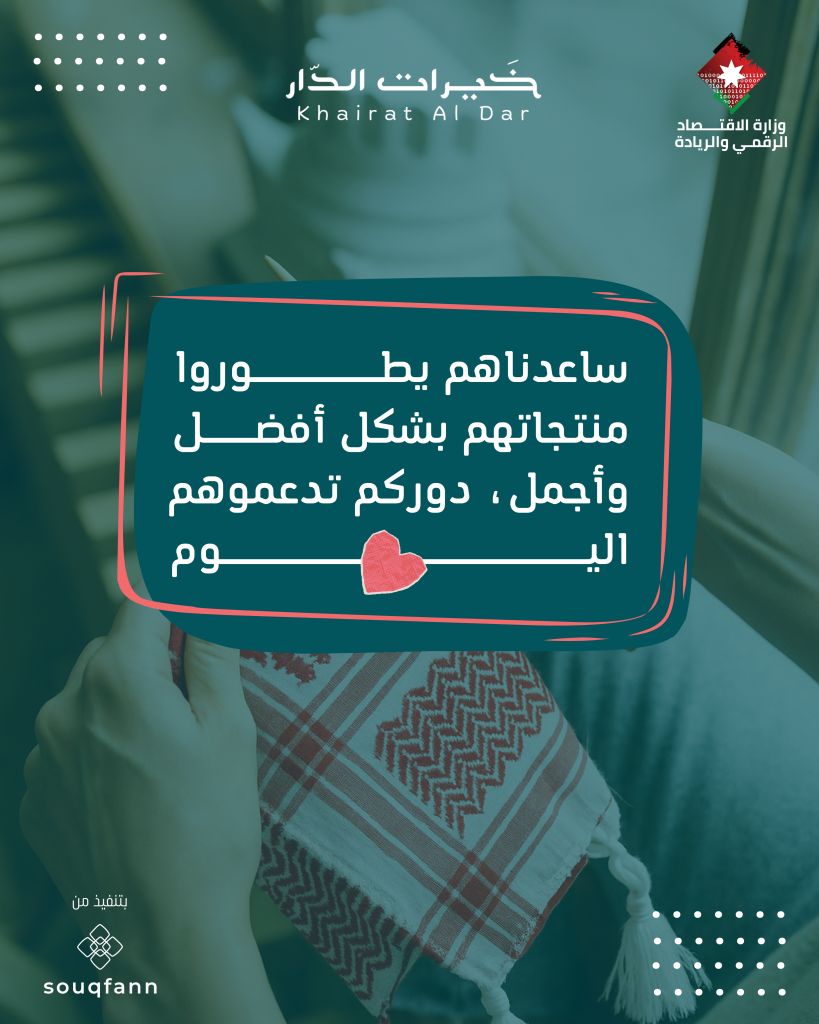
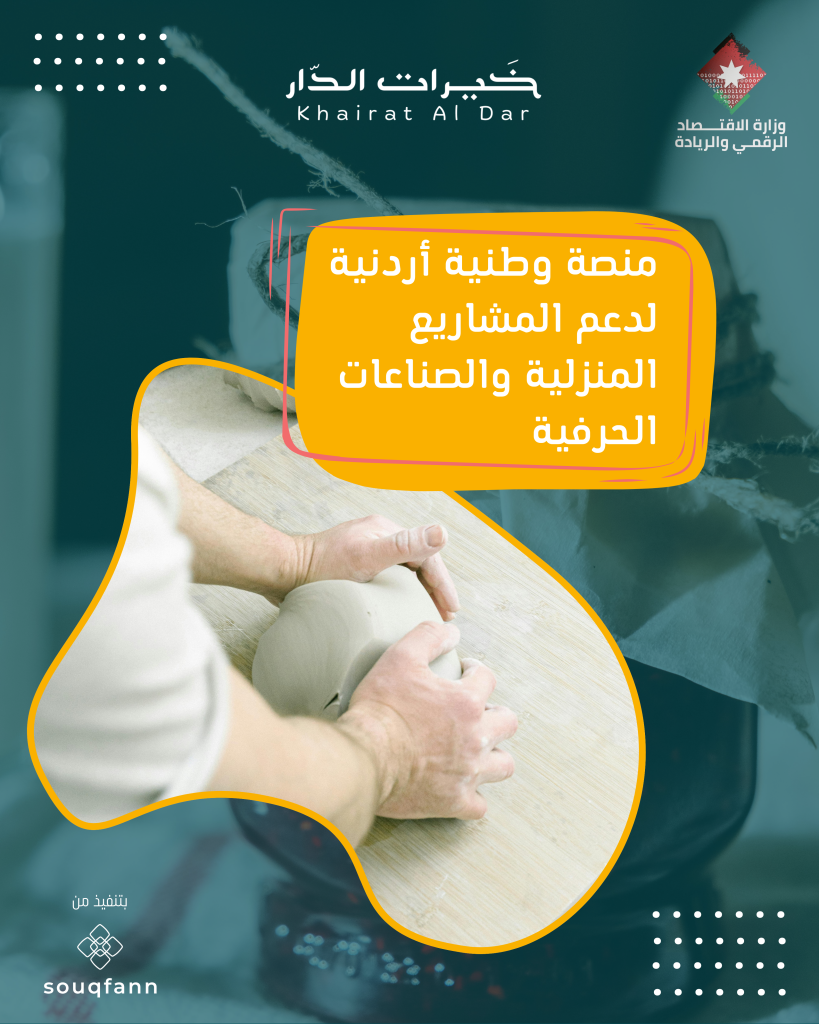
Khirat Al Dar is a digital platform launched by the Ministry of Digital Economy and Entrepreneurship as a pilot phase to support and empower home business owners in Jordan by providing an integrated environment that helps them market their products in a modern and effective way.
Petra Products
Petra Products is an innovative e-commerce platform that celebrates Jordan’s rich cultural heritage by connecting talented artisans, craftspeople, and handicraft producers from Petra and across Jordan to customers worldwide. Inspired by the ancient Rose City of Petra, one of the New Seven Wonders of the World, the platform showcase authentic handmade treasures that embody centuries of Jordanian craftsmanship and tradition.
International Representation
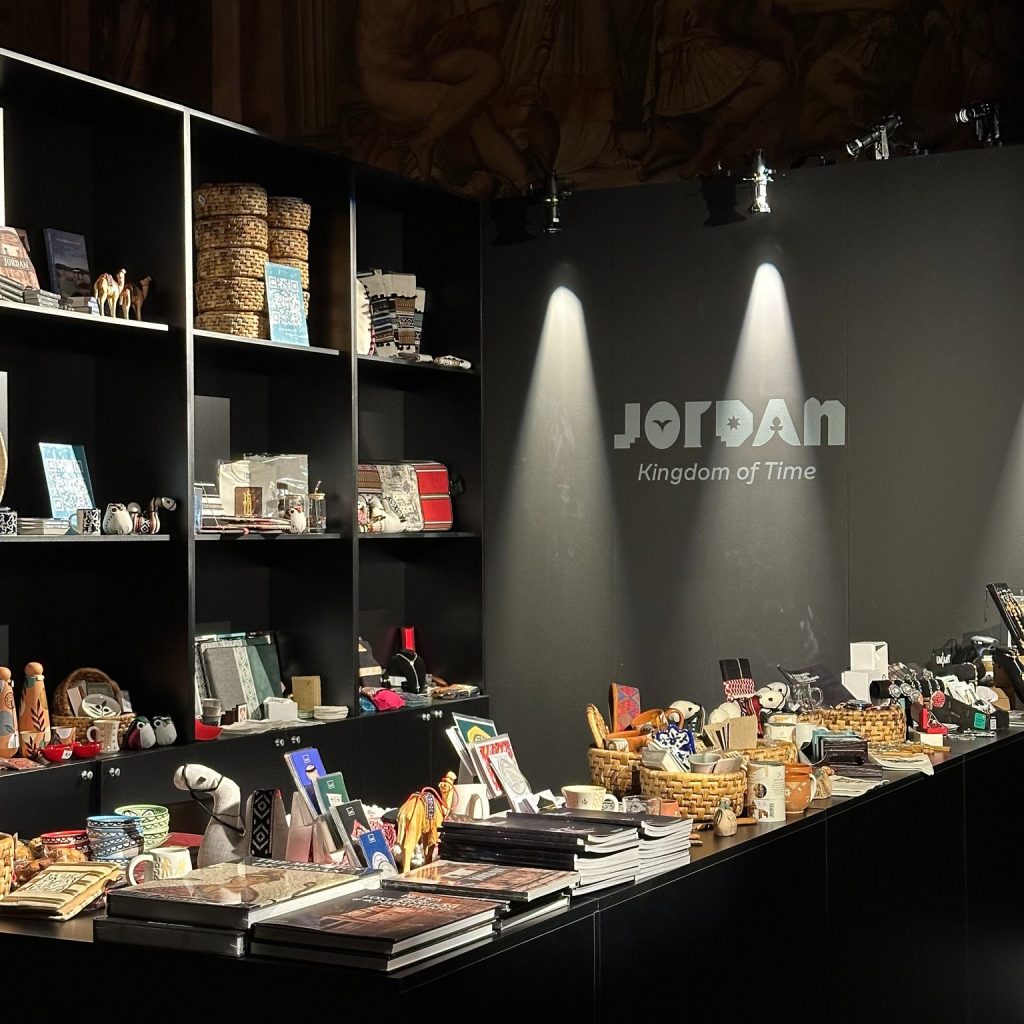
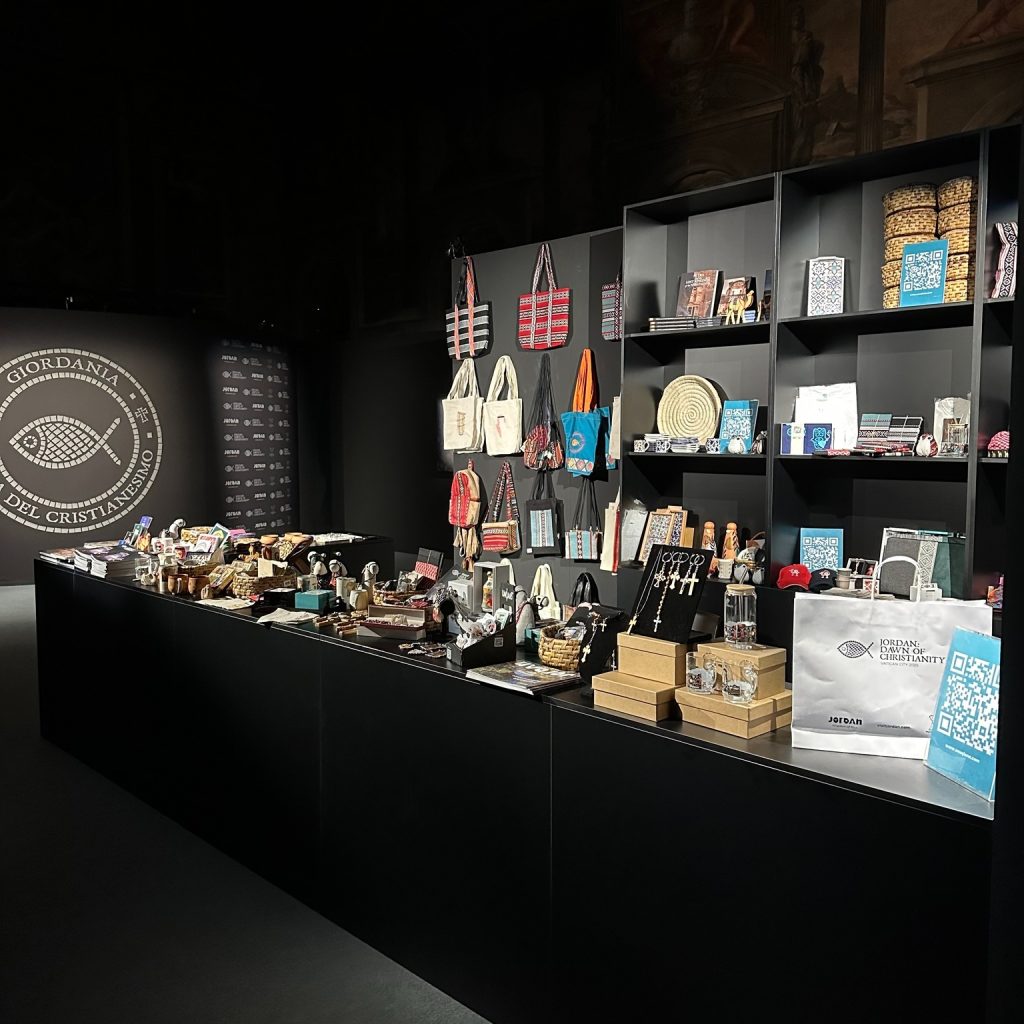
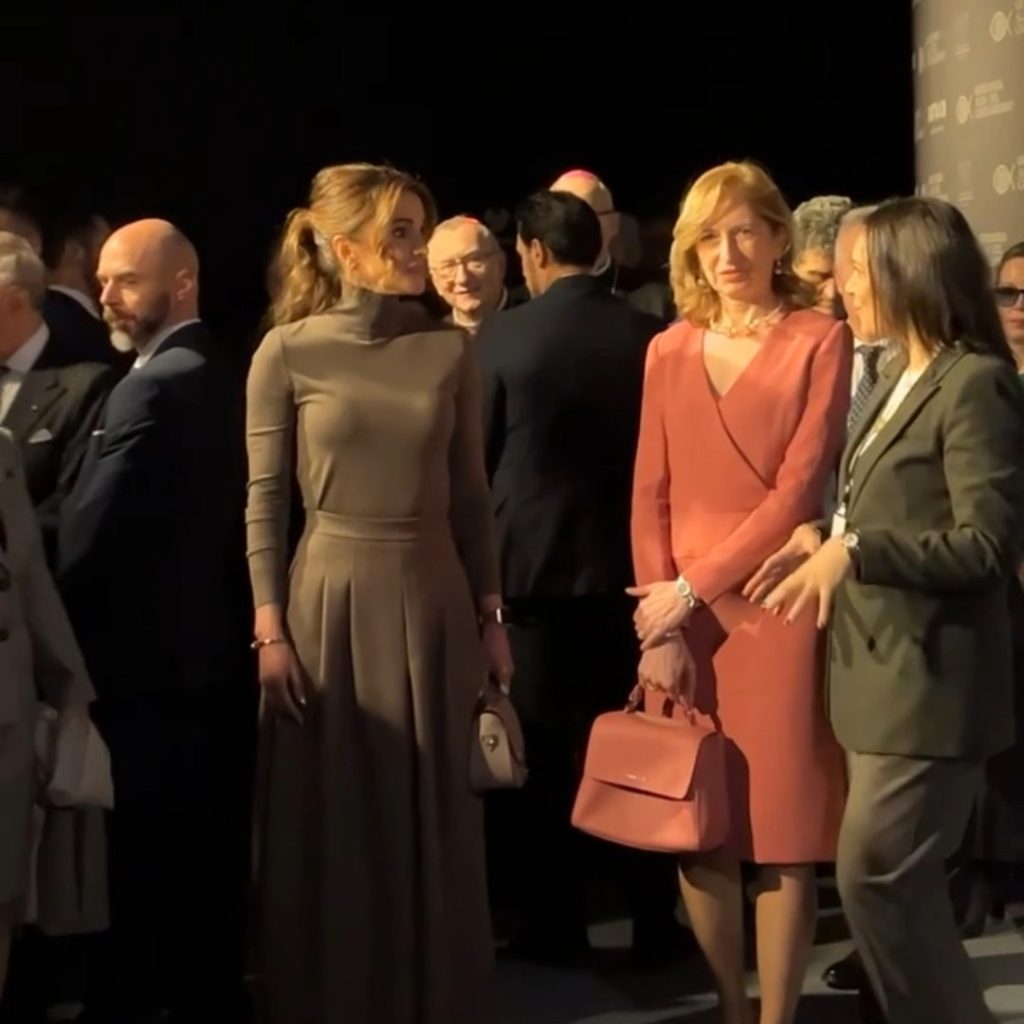
In 2025, Souq Fann collaborated with the Jordanian Ministry of Tourism and Antiquities to support the “Jordan: Dawn of Christianity” international exhibition that took place in Rome, Italy.
“Jordan: Dawn of Christianity” offers visitors a unique spiritual and human experience, taking them on a journey to the roots of early Christianity – from the Jordan River, where the message began and continues to inspire millions around the world to this day.
Souq Fann procured the presence of authentic Jordanian handicrafts alongside the antiquities, empowering local artisans and promoting Jordanian cultural heritage on a global scale.
Preserving Jordanian Heritage Through E-Commerce
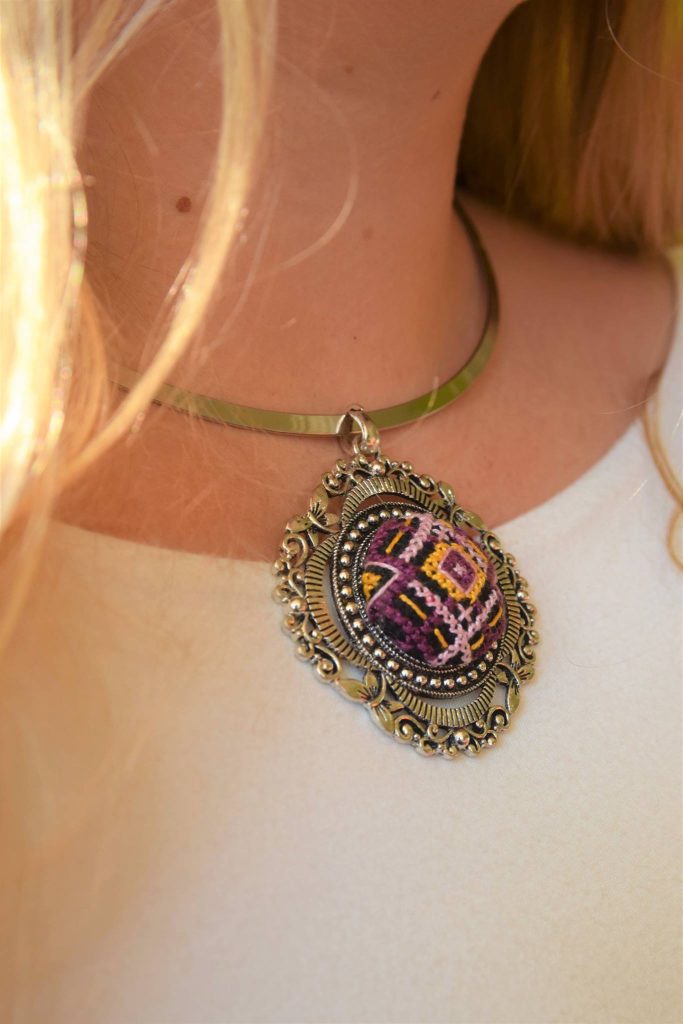
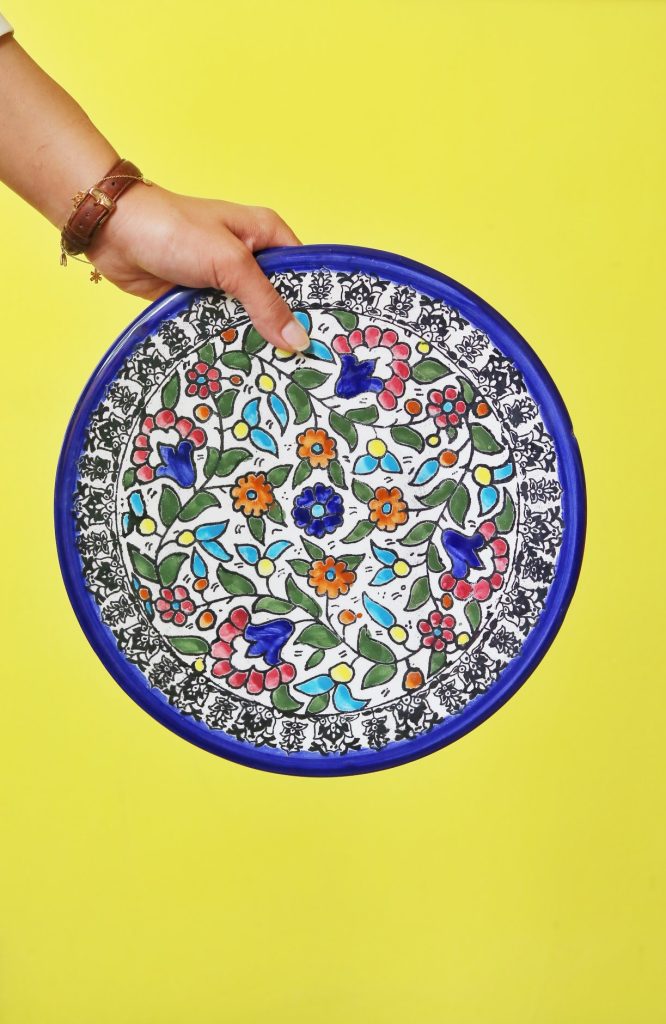
Beyond commerce, Souq Fann plays an important cultural role by preserving Jordanian and regional heritage crafts. Many products sold through the platform are inspired by traditional embroidery, pottery, woodwork, Arabic calligraphy, mosaics, Bedouin art, and other forms of cultural expression.
The platform gives artisans the opportunity to share the stories behind their products, helping customers connect emotionally with handmade items and understand the cultural value behind them.
This mission has positioned Souq Fann as more than just an online store. It has become part of a broader movement supporting the creative economy and cultural sustainability in Jordan and the Middle East.
Recognition and Achievements
Souq Fann has received significant recognition for its social and economic impact. The platform won awards for innovation and entrepreneurship, including recognition at the World Government Summit and the Queen Rania National Entrepreneurship Competition.
The company has also collaborated with international and regional organizations such as Oxfam, UNESCO, the King Hussein Foundation, and the Ministry of Tourism in Jordan to support artisans and expand opportunities for local producers.
In 2022, Souq Fann expanded beyond digital commerce by opening its first on-ground exhibition and retail space in Amman, creating additional visibility for local creators and handmade businesses.
A Growing Marketplace for the MENA Region
Although Souq Fann started in Jordan, its long-term vision extends across the Middle East and North Africa. The platform has described itself as an “Etsy of MENA,” aiming to become the leading regional marketplace for handmade products and authentic cultural goods.
Its growth reflects increasing consumer interest in:
Supporting local businesses
Buying sustainable handmade products
Preserving cultural identity
Shopping from ethical and socially responsible brands
This trend has created new opportunities for Jordanian artisans to reach regional and international customers through digital platforms.
Why Souq Fann Matters
Souq Fann represents a modern model of social entrepreneurship in Jordan. By combining technology, creativity, and economic empowerment, the platform demonstrates how digital innovation can create real opportunities for marginalized communities and small businesses.
The success of Souq Fann also highlights the growing importance of Jordan’s creative industries and the potential of e-commerce to support local production in competitive global markets.
For artisans, the platform provides visibility and financial opportunity. For customers, it offers access to authentic handmade products with meaningful stories. And for Jordan, it showcases the country’s rich artistic and cultural heritage to the world.
As the platform continues to expand, Souq Fann stands as a powerful example of how entrepreneurship can preserve culture, empower communities, and build sustainable economic growth at the same time.
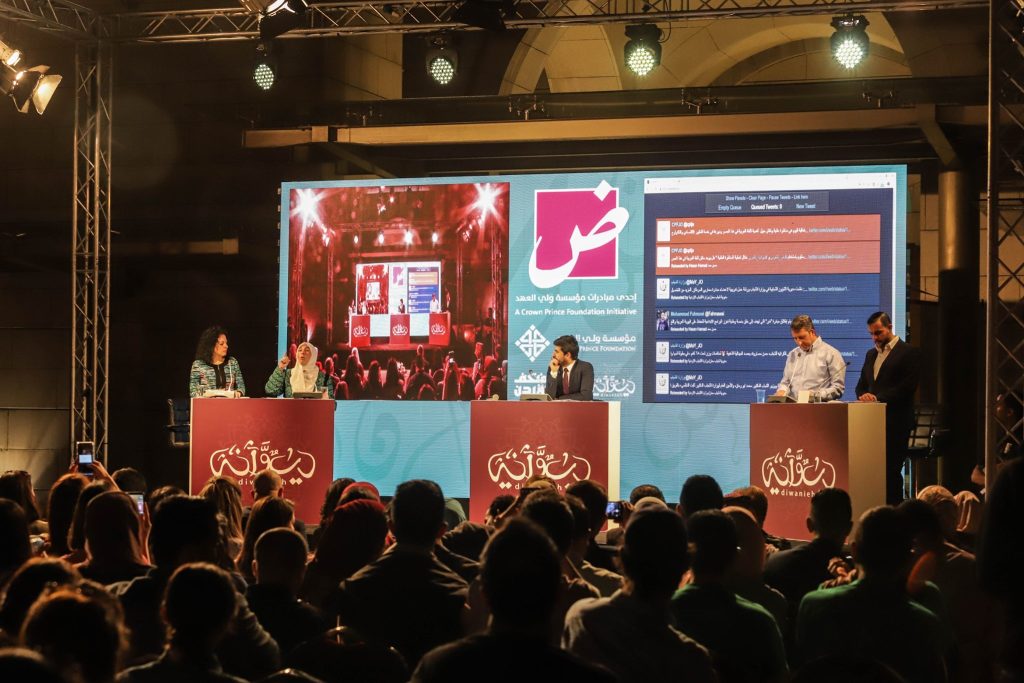
In a region where meaningful dialogue, youth engagement, and cultural exchange are becoming increasingly important, Diwanieh has emerged as one of Jordan’s most inspiring social and cultural initiatives. Founded by Dr. Sami Hourani, Diwanieh represents more than just a gathering space — it is a movement dedicated to reconnecting people through conversation, creativity, and community.
By blending the traditional Arab concept of the “diwanieh” with modern social innovation, the initiative has become a platform where ideas flourish, young people connect, and important societal conversations take place.
What is Diwanieh?
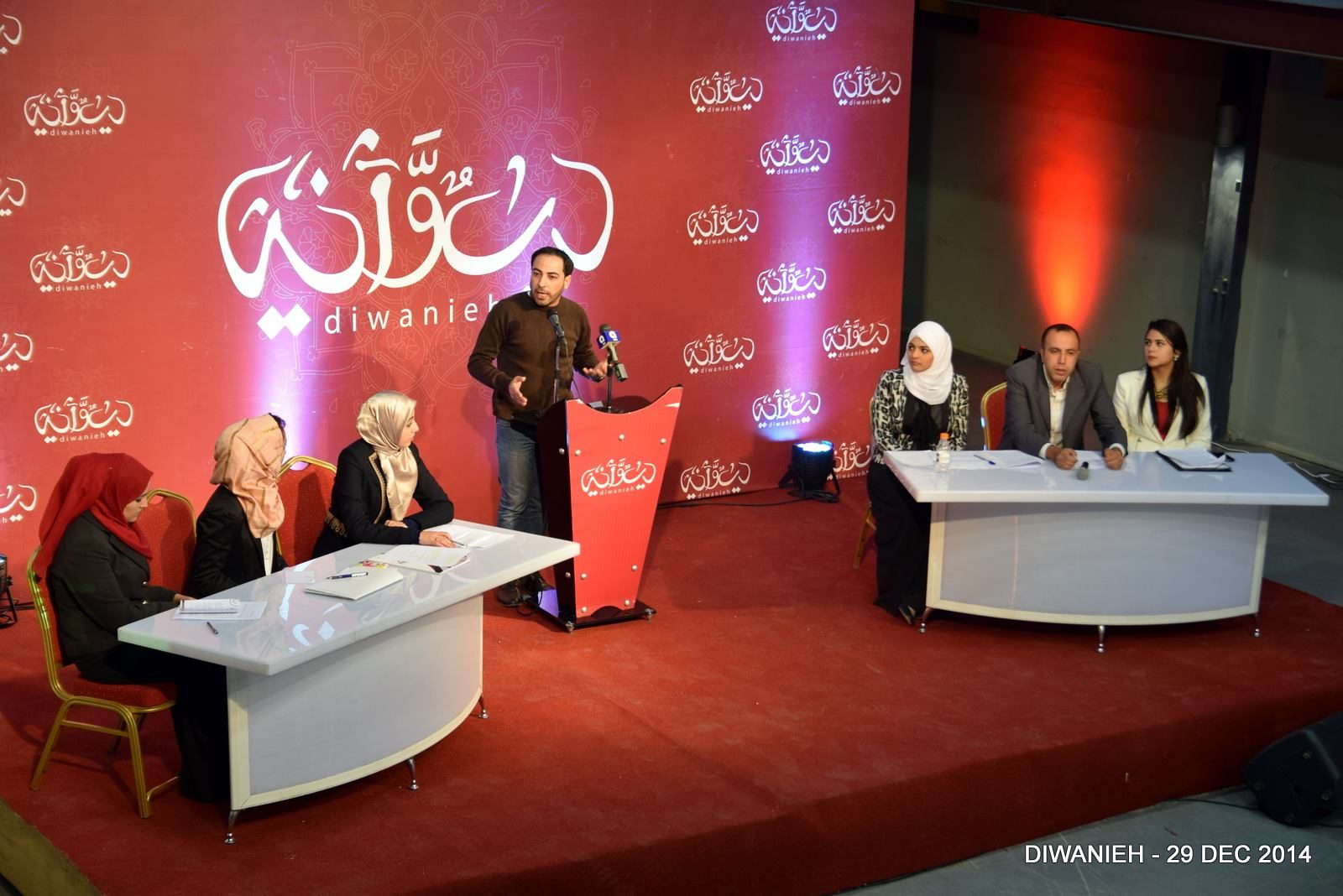
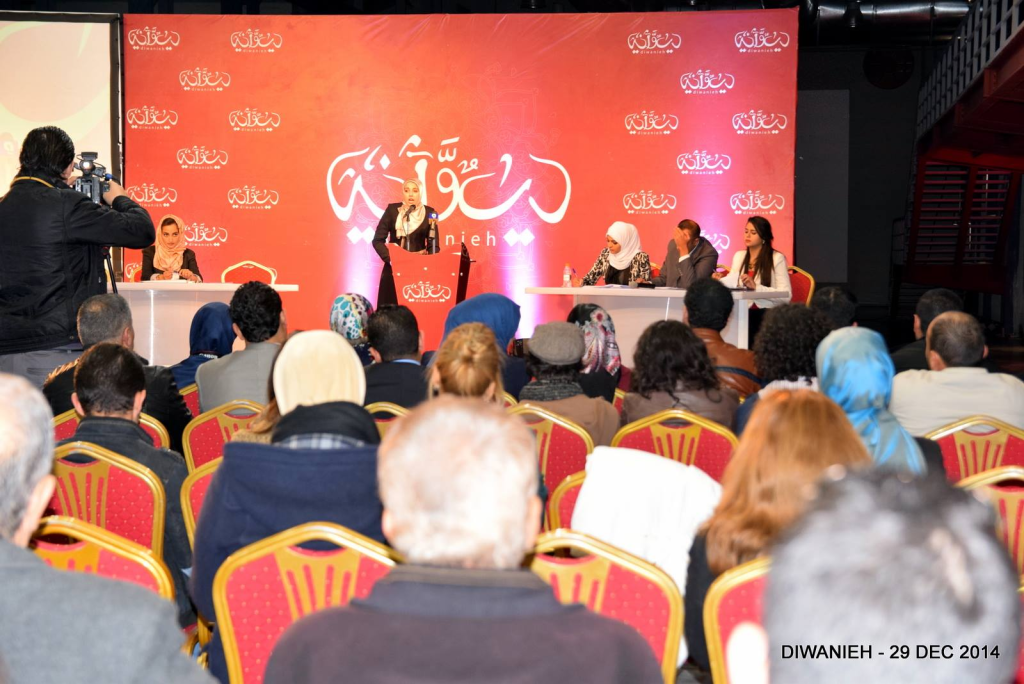
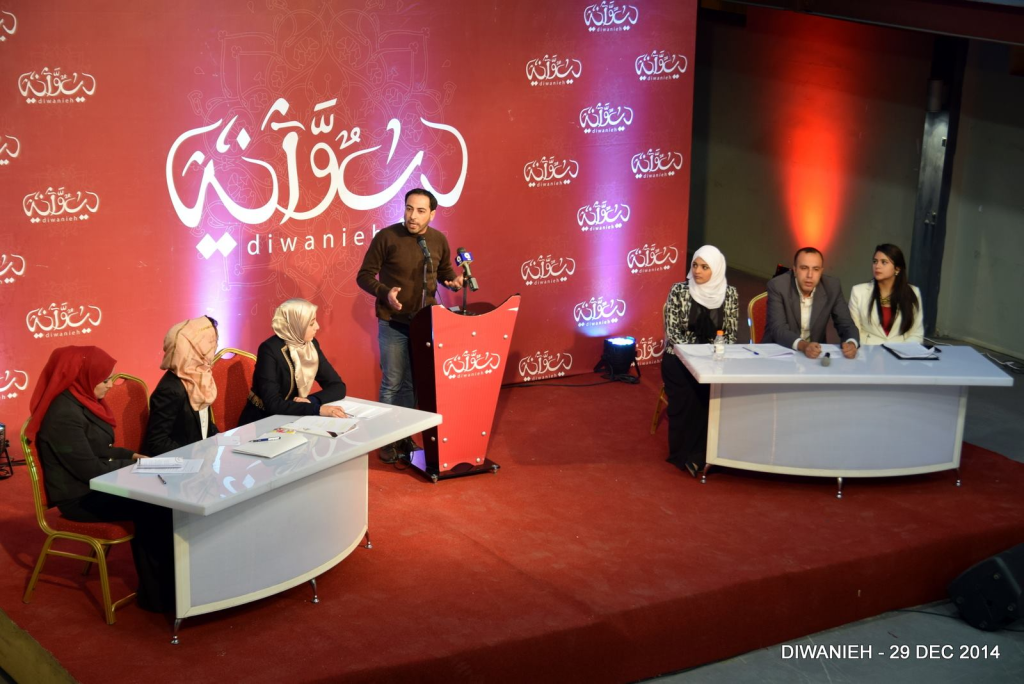
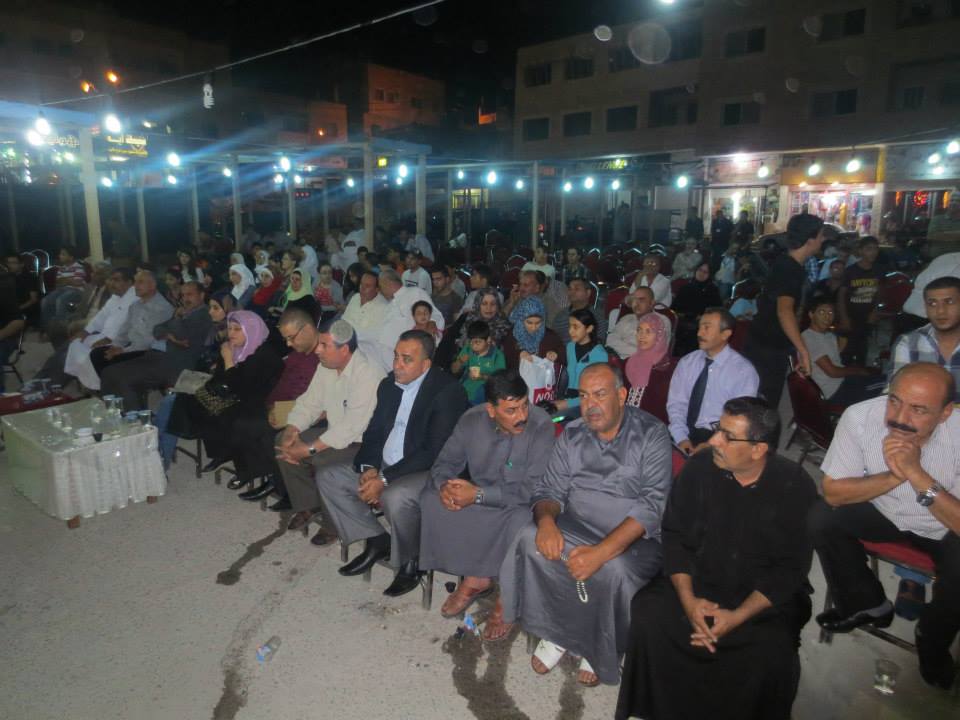
Diwanieh is a Jordanian cultural and social platform designed to foster dialogue, collaboration, and intellectual exchange among diverse communities. Inspired by the traditional Arab Diwaniyeh — a social gathering place where people discuss politics, culture, literature, and community affairs – the modern Diwanieh creates safe and inclusive spaces for conversations that matter.
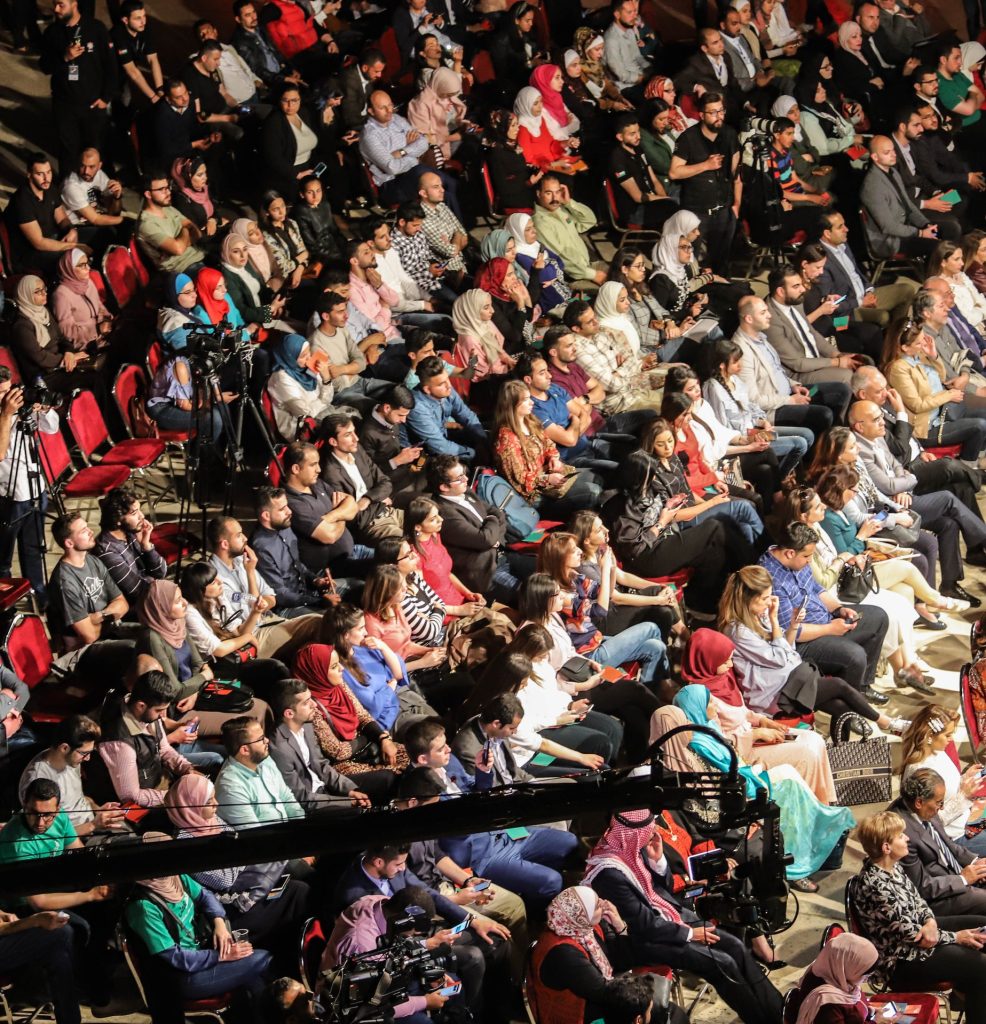
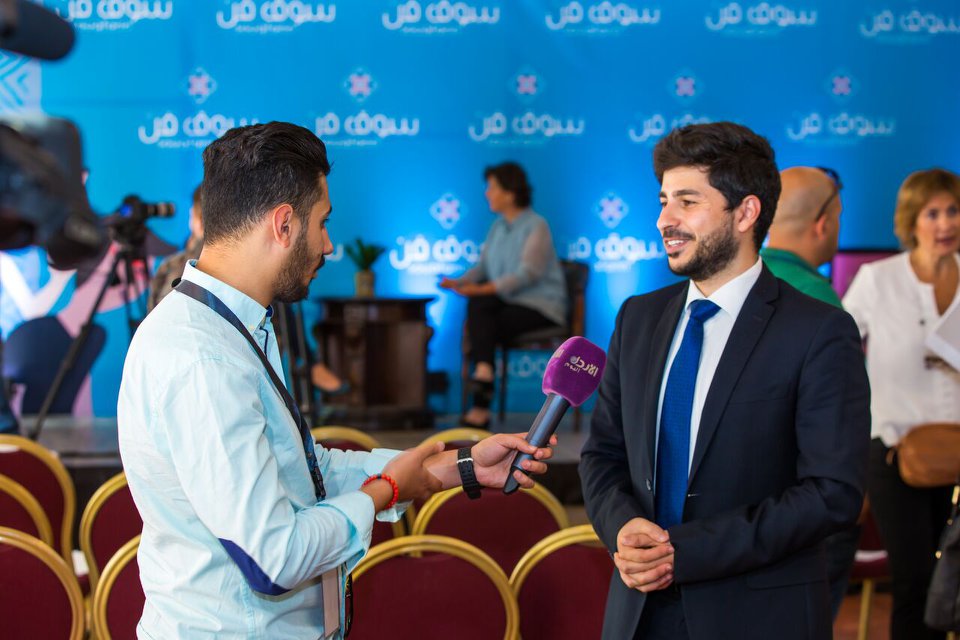
The initiative hosts events, talks, networking sessions, and youth-focused discussions that bring together entrepreneurs, academics, artists, policymakers, and young changemakers from across Jordan and the Arab world.
Its mission centers around strengthening civic engagement, encouraging critical thinking, and promoting social cohesion through open dialogue and cultural interaction.
In 2013, Diwanieh – an initiative founded by Dr. Sami Hourani – organized a public...
The Vision
At the heart of Diwanieh’s success is its founder, Dr. Sami Hourani, a Jordanian entrepreneur and social innovator widely recognized for his contributions to youth empowerment and innovation ecosystems in the Middle East.
Dr. Hourani is known for building platforms that connect education, entrepreneurship, culture, and community development. Through Diwanieh, he envisioned a modern Arab gathering space where people from different backgrounds could engage in constructive conversations, exchange ideas, and collaborate on solutions for regional challenges.
His approach combines traditional Arab hospitality and dialogue culture with modern concepts of innovation, inclusion, and youth participation.
Under his leadership, Diwanieh has evolved into a respected platform that encourages people to move beyond social divisions and engage in meaningful discussions around identity, creativity, entrepreneurship, public policy, education, and social change.
A Space for Youth and Innovation
One of the defining features of Diwanieh is its strong focus on youth engagement. Jordan has one of the youngest populations in the region, and initiatives like Diwanieh play an important role in empowering young voices.
Through workshops, panel discussions, mentorship sessions, and networking events, Diwanieh provides opportunities for young Jordanians to:
Share their ideas and experiences
Connect with experts and industry leaders
Develop leadership and communication skills
Explore entrepreneurship and innovation
Participate in cultural and civic discussions
Build meaningful professional and social networks
The initiative also helps bridge gaps between generations by encouraging conversations between youth, professionals, academics, and decision-makers.
In 2013, Diwanieh — an initiative founded by Dr. Sami Hourani — organized a public dialogue...
Building Inclusive Communities
Another important aspect of Diwanieh’s work is inclusivity. The platform aims to bring together people from different socioeconomic backgrounds, professions, ideologies, and communities.
In a world increasingly shaped by polarization and digital isolation, Diwanieh promotes face-to-face dialogue and human connection. Participants are encouraged to listen respectfully, challenge ideas constructively, and engage in conversations that promote understanding rather than division.
This inclusive model has helped create a welcoming environment for students, entrepreneurs, refugees, activists, artists, academics, and professionals alike.
The Impact of Diwanieh in Jordan
Over the years, Diwanieh has contributed significantly to Jordan’s ecosystem of innovation, culture, and civic engagement. It has become known as a trusted platform for discussions around:
Social entrepreneurship
Youth empowerment
Education reform
Innovation and technology
Cultural identity
Public policy
Community development
Creative industries
Its events and initiatives have helped strengthen collaboration between various sectors and inspired many young people to become more active within their communities.
Diwanieh also demonstrates how traditional Arab social concepts can be reimagined to address modern societal needs while preserving cultural identity.
Why Diwanieh Matters Today
In today’s rapidly changing world, platforms like Diwanieh are more important than ever. Young people across the Middle East are seeking spaces where they can express themselves, connect with others, and contribute to meaningful conversations about the future.
Diwanieh offers exactly that: a modern Arab gathering space rooted in dialogue, respect, creativity, and collaboration.
By combining cultural heritage with innovation and community engagement, Diwanieh continues to play an influential role in shaping Jordan’s cultural and social landscape.




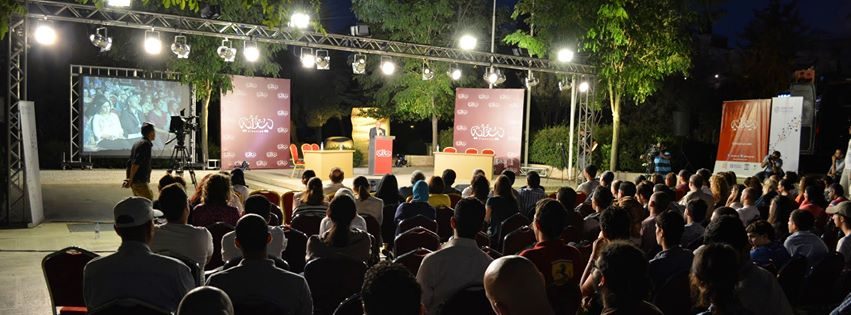
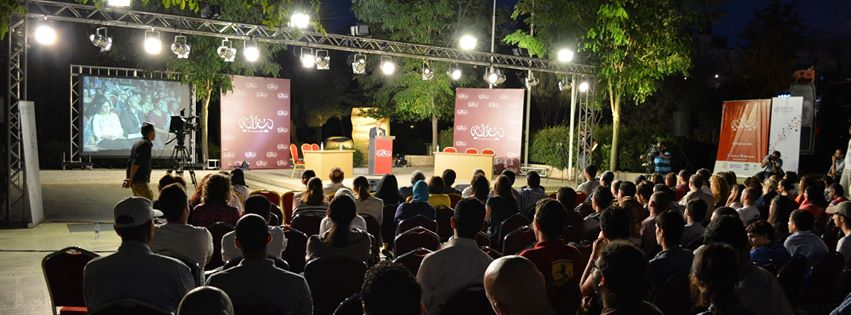
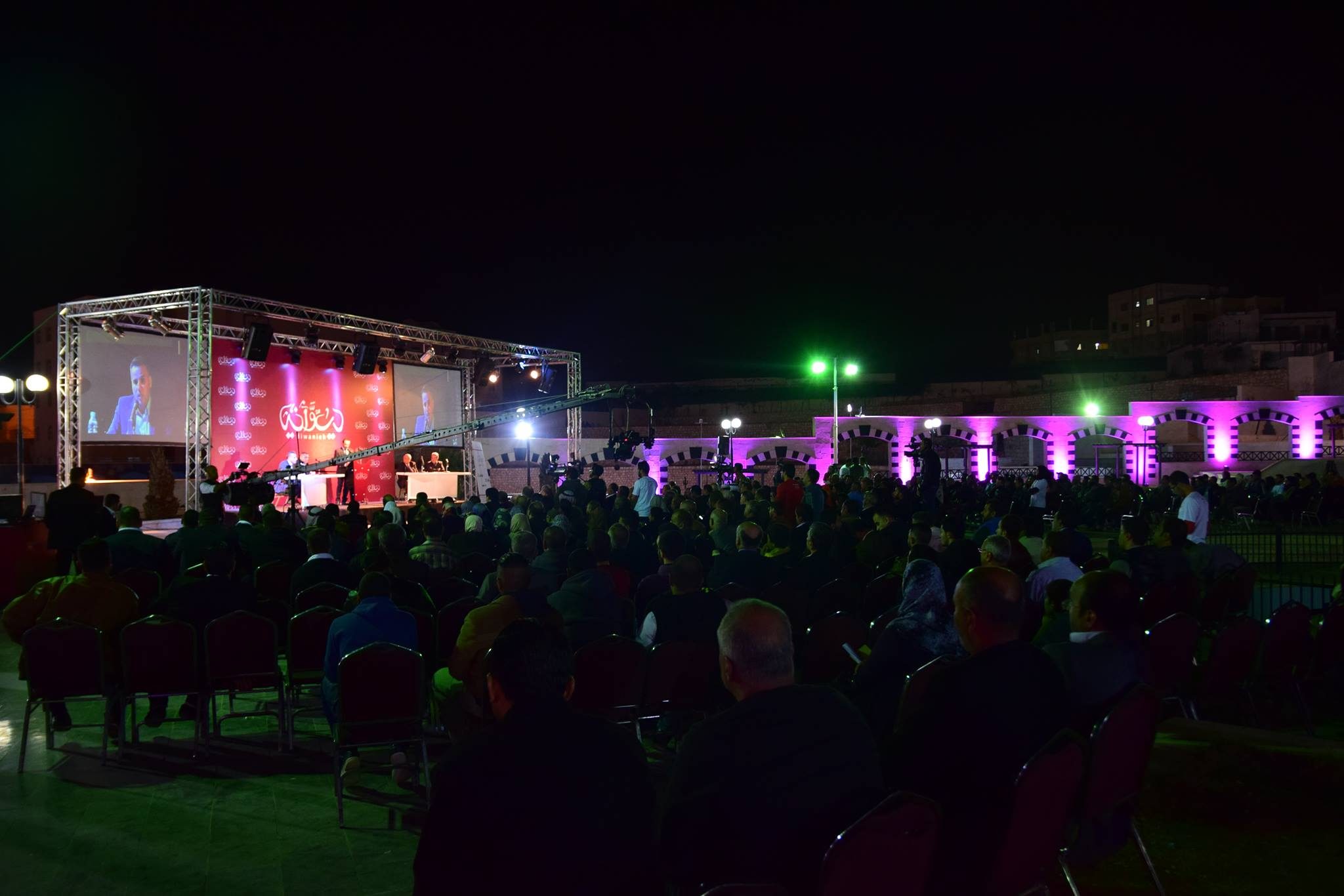
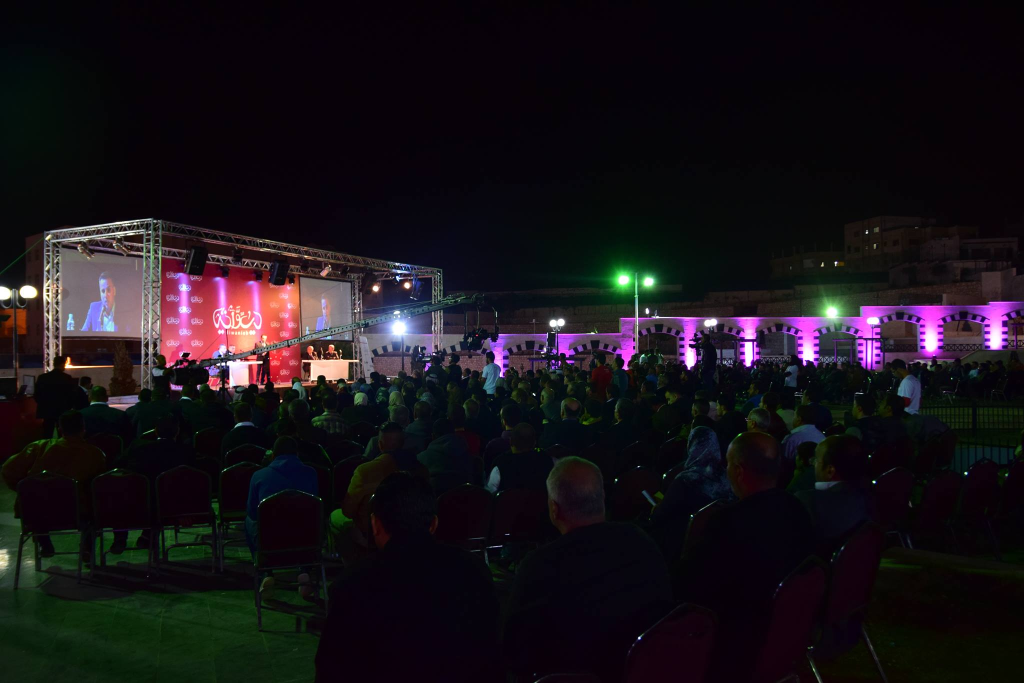
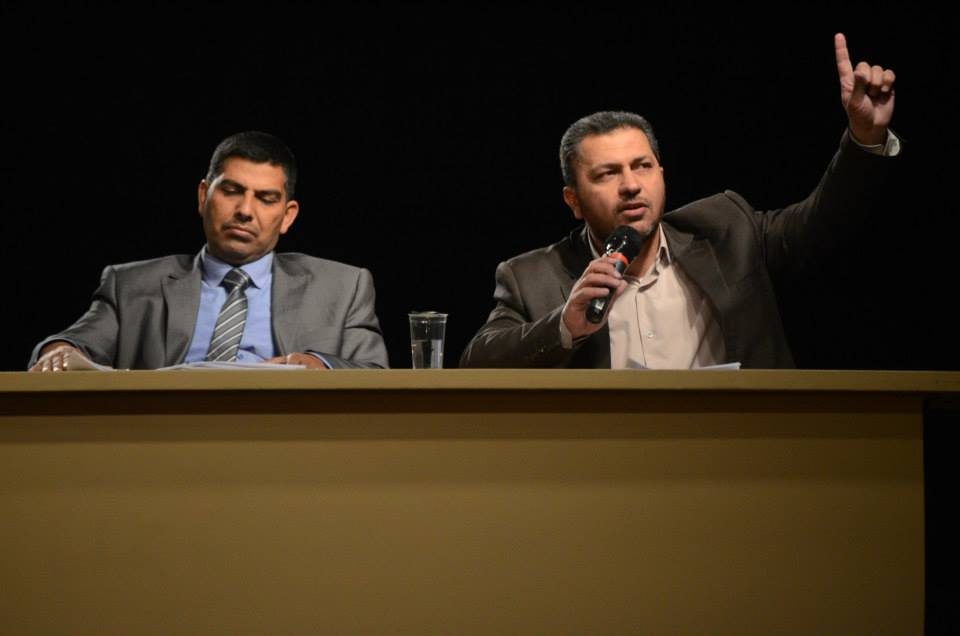
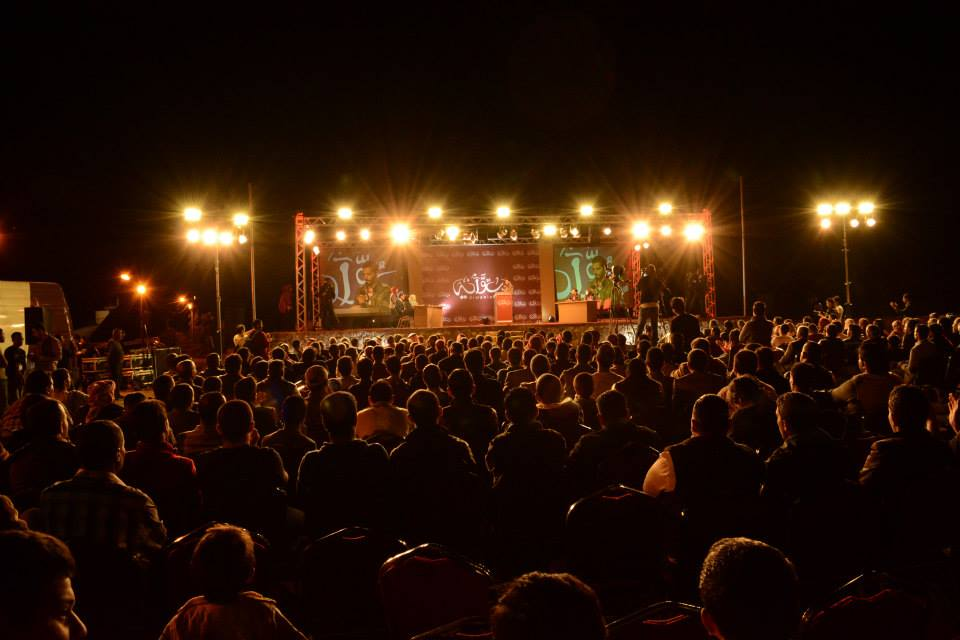
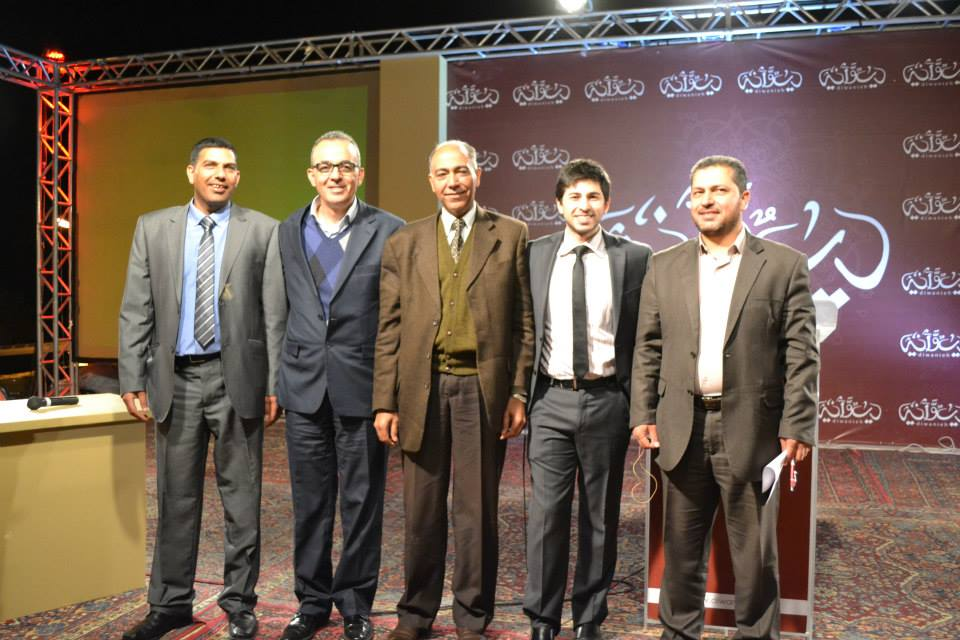
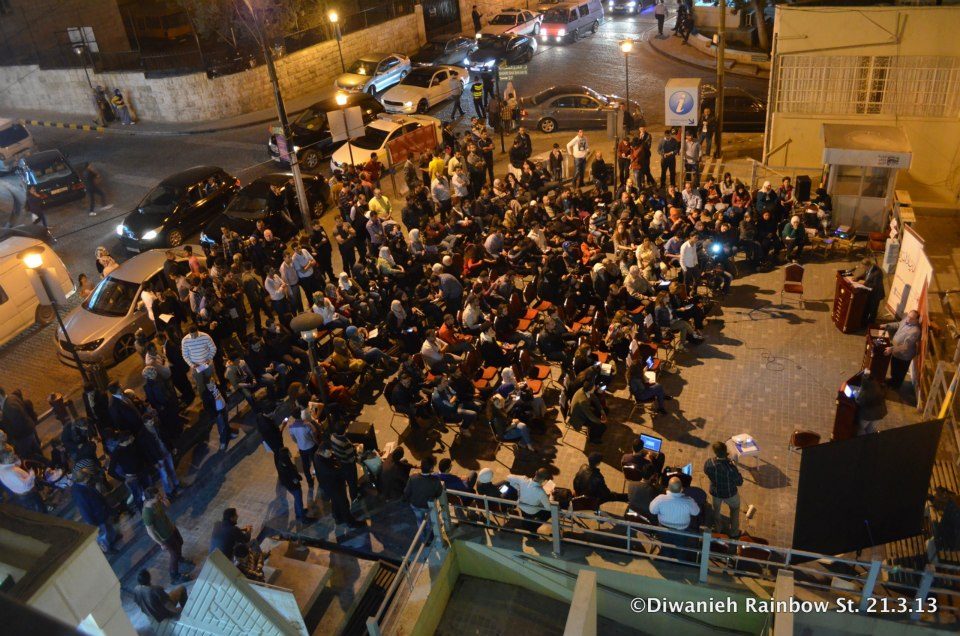
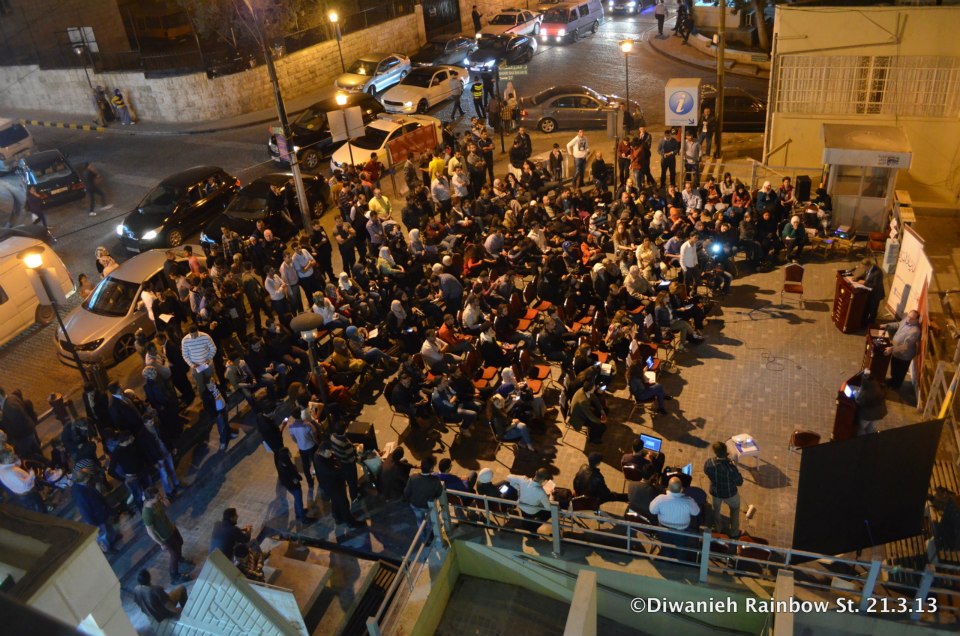
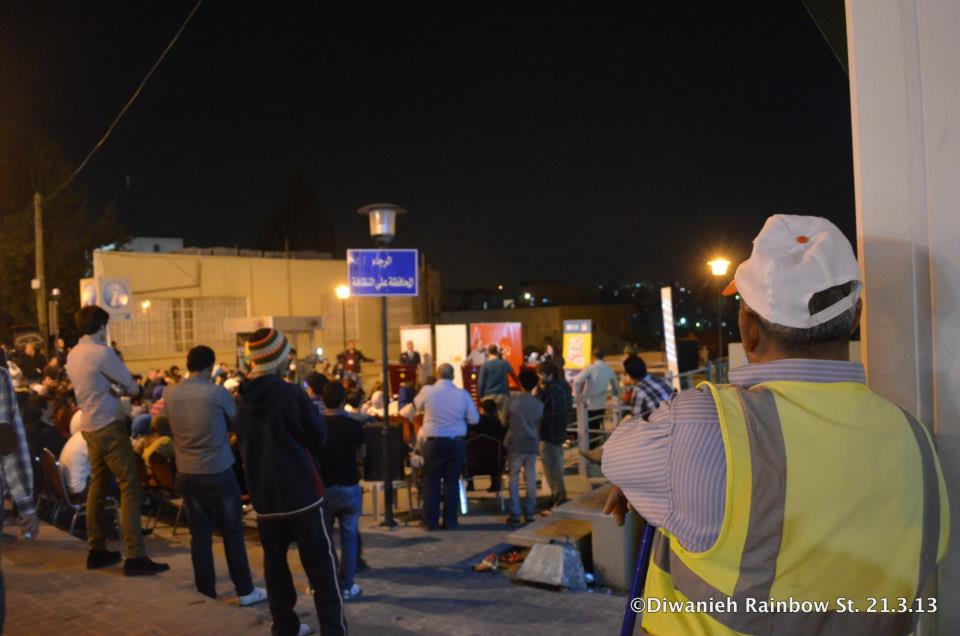
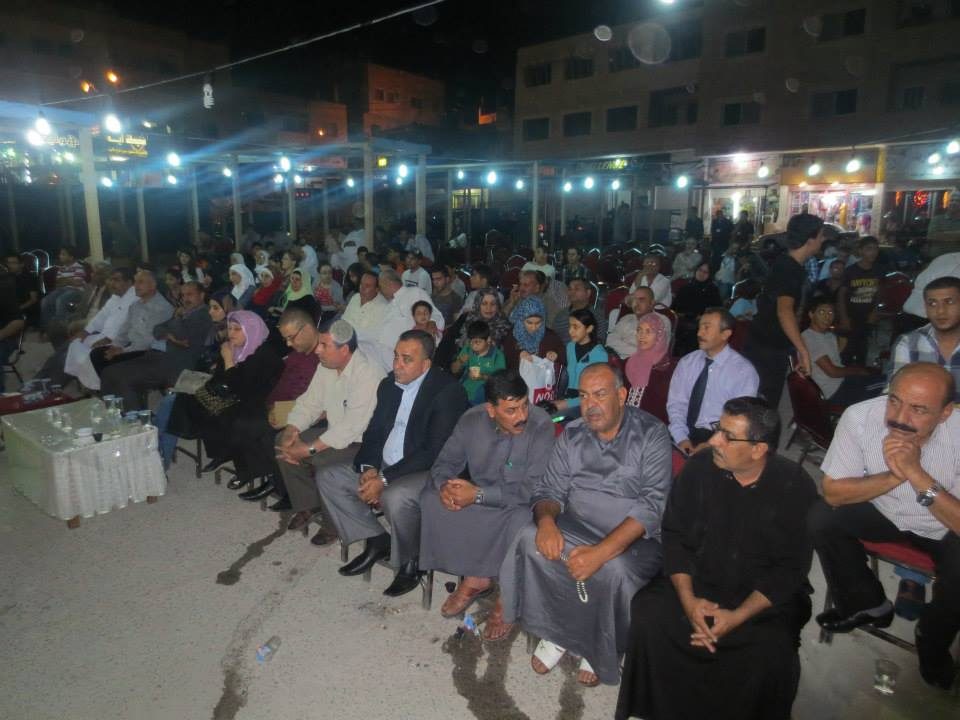
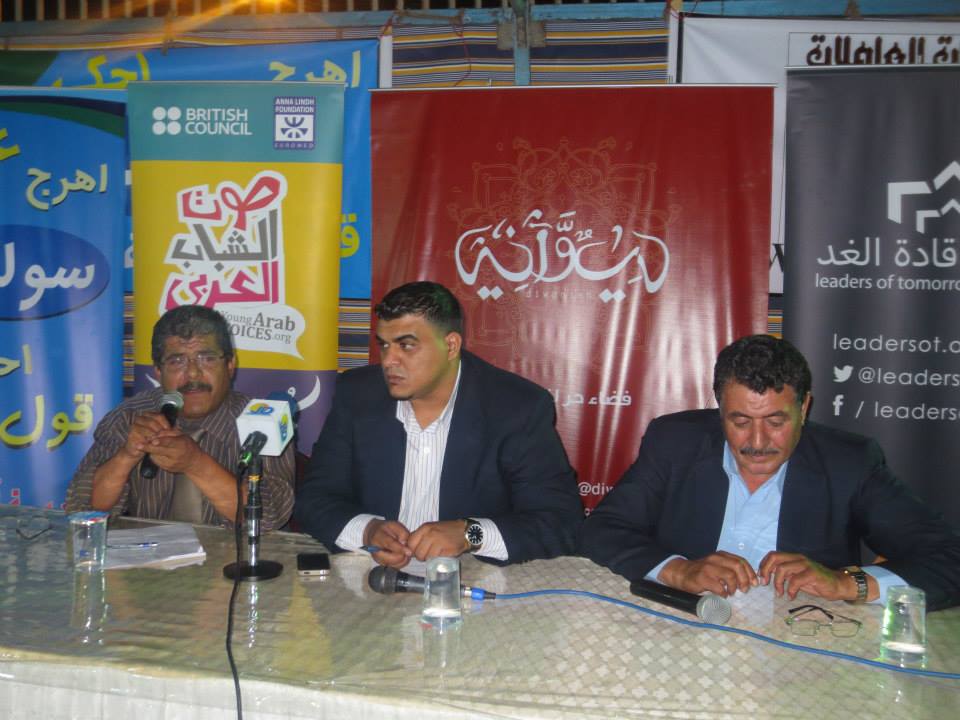

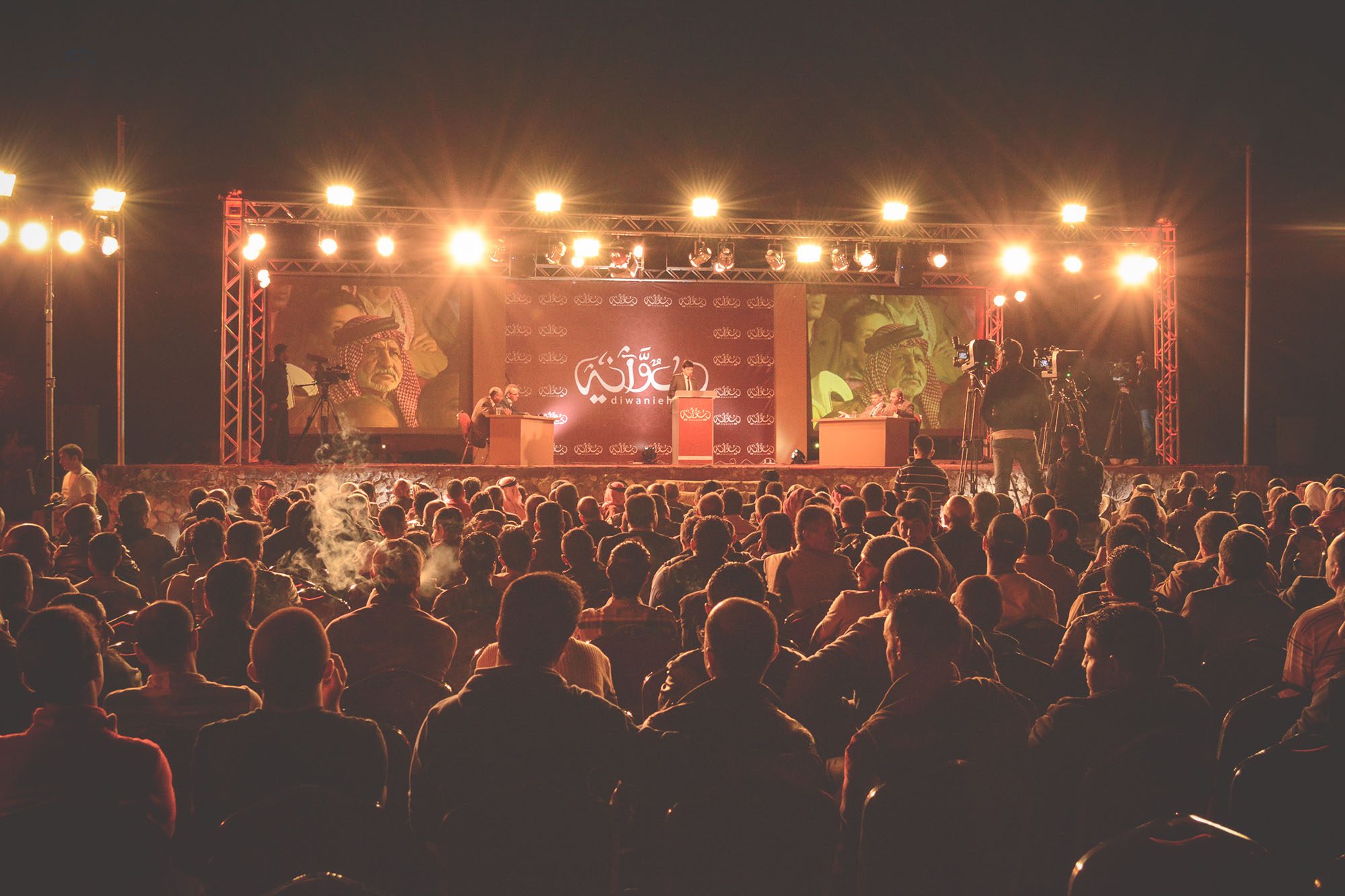
 Diwanieh is a Jordanian cultural and social platform designed to foster dialogue, collaboration, and intellectual exchange among diverse communities. Inspired by the traditional Arab Diwaniyeh — a social gathering place where people discuss politics, culture, literature, and community affairs – the modern Diwanieh creates safe and inclusive spaces for conversations that matter.