
In a region where many young people face challenges related to civic participation, freedom of expression, and access to leadership opportunities, innovative initiatives that encourage dialogue and critical thinking have become increasingly important. One of the most impactful youth-driven initiatives in Jordan is Mohaka, founded by social entrepreneur Dr. Sami Hourani as part of his broader vision to empower Arab youth.
Mohaka, which means “simulation” in Arabic, was created to provide young people with immersive educational experiences that strengthen leadership skills, encourage civic engagement, and promote open dialogue around social and political issues.
What is Mohaka?
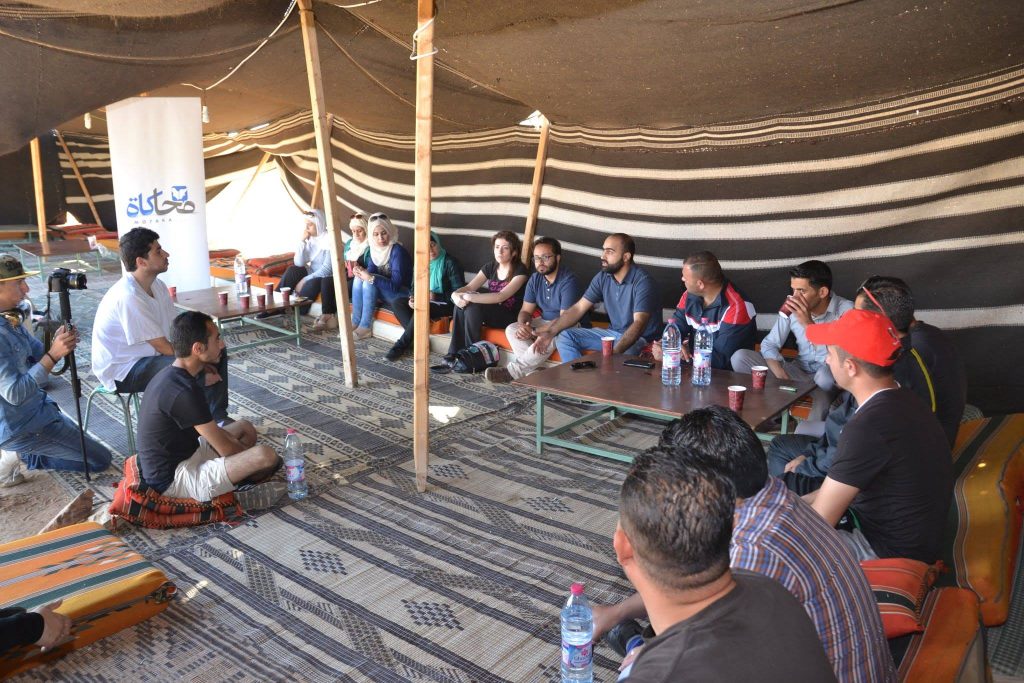
Mohaka is a youth-focused initiative built around the concept of simulation and role-playing. The project places participants in realistic scenarios where they must analyze problems, debate ideas, make decisions, and collaborate with others. Through these experiences, participants develop critical thinking, communication, negotiation, and problem-solving skills.
The initiative was established under the umbrella of Leaders of Tomorrow, an organization founded by Dr. Sami Hourani that focuses on youth empowerment, social innovation, civic participation, and educational development across Jordan and the Arab region.
According to the profile of Dr. Sami Hourani published by Ashoka, Mohaka was designed to help youth experience “mind-changing” simulations that challenge traditional ways of thinking and expose participants to important social, political, and human rights issues.
The Vision Behind Mohaka
Dr. Sami Hourani is widely known for creating initiatives that focus on youth inclusion, opportunity sharing, and civic participation. Alongside Mohaka, he also founded projects such as:
- For9a.com – one of the largest Arabic platforms for scholarships, jobs, and educational opportunities.
- Souq Fann – an e-commerce platform supporting artisans and handmade products in the MENA region.
- Diwanieh Debates — public debate forums promoting political dialogue.
- Fadfed – a creative methodology for anonymous public expression and social research.
These initiatives share a common goal: creating a generation of informed, engaged, and empowered young people capable of contributing positively to their societies.
How Mohaka Works
Mohaka uses interactive learning methods instead of traditional lectures. Participants engage in simulations inspired by real-world challenges and public affairs. Activities may include:
- Political and diplomatic simulations
- Mock debates and negotiations
- Leadership exercises
- Crisis management scenarios
- Public speaking and communication workshops
- Team-based decision-making activities
By placing youth in realistic situations, Mohaka encourages participants to think independently, analyze complex issues, and understand different perspectives.
The initiative also creates safe spaces where young people can discuss topics that are often considered sensitive or controversial in traditional settings. This approach helps participants gain confidence while strengthening their ability to engage constructively in public life.
Impact on Youth in Jordan
Mohaka has contributed to building a culture of dialogue and participation among Jordanian youth. Through simulations and experiential learning, many participants have improved their:
- Leadership abilities
- Communication skills
- Confidence in public speaking
- Teamwork and collaboration
- Understanding of civic and political processes
- Critical thinking capabilities
The broader work of Dr. Sami Hourani and Leaders of Tomorrow has reached hundreds of thousands of young people across Jordan and the Arab world through training programs, educational platforms, public debates, and youth initiatives.
Why Mohaka Matters
Many educational systems in the region focus heavily on memorization and theoretical learning. Mohaka offers an alternative approach centered on participation, creativity, and active learning.
The initiative demonstrates how simulation-based education can empower youth to become more engaged citizens and future leaders. By encouraging discussion, empathy, and problem-solving, Mohaka helps young people develop the tools needed to navigate increasingly complex social and professional environments.
In addition, Mohaka reflects a larger movement in Jordan toward youth-led innovation and social entrepreneurship a movement in which Dr. Sami Hourani has played a major role.
About Dr. Sami Hourani
Dr. Sami Hourani is a Jordanian social entrepreneur, medical doctor, and youth advocate recognized internationally for his work in youth empowerment and social innovation.
He is an Ashoka Fellow and has received several regional and international recognitions for his contributions to youth development and civic engagement. His work focuses on expanding access to opportunities, encouraging freedom of expression, and creating inclusive spaces for Arab youth.
Conclusion
Mohaka represents more than just a simulation program — it is a platform for empowering young people to think critically, communicate openly, and participate actively in shaping their communities.
Through innovative educational experiences and youth-centered dialogue, Mohaka continues to inspire a new generation of changemakers in Jordan and beyond. As the challenges facing young people evolve, initiatives like Mohaka remain essential for building resilient, informed, and engaged societies.