
In a region where many young people often feel unheard, initiatives that encourage open dialogue and self-expression can create real social change. One of the most innovative examples in Jordan is FadFad, a youth-driven social initiative founded by Dr. Sami Hourani under the umbrella of Leaders of Tomorrow.

FadFad, which translates roughly to “let it out” in Arabic, was designed as a creative and safe platform where people can express their thoughts, frustrations, hopes, and opinions freely – especially on sensitive social and political topics that are often difficult to discuss publicly.

The initiative reflects Dr. Hourani’s broader mission of empowering Arab youth through dialogue, civic engagement, education, and equal access to opportunities.

The Vision Behind FadFad

Jordanian entrepreneur and social innovator Dr. Sami Hourani is widely known for founding several impactful initiatives including For9a.com, Souq Fann, and Diwanieh Debates. His projects focus on youth empowerment, civic participation, and creating spaces for people to share ideas regardless of their social background.

FadFad emerged as a response to a common problem across many societies: people often hesitate to openly express opinions on controversial issues due to fear of judgment, criticism, or censorship.

To solve this challenge, FadFad introduced a simple but powerful concept.

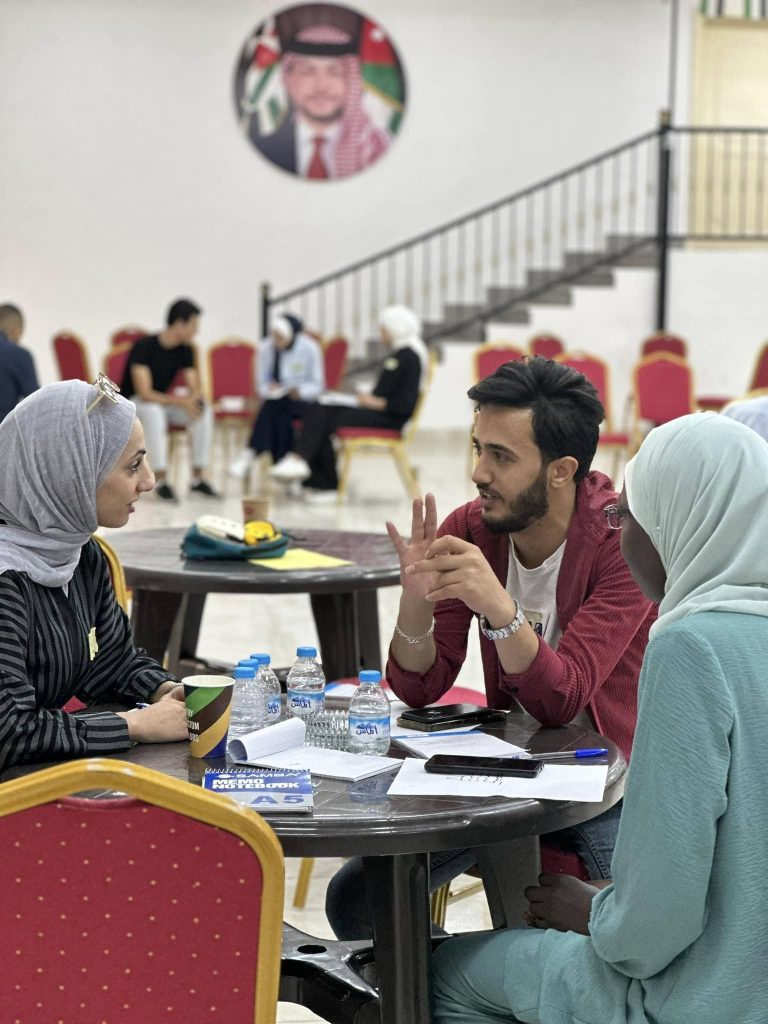
The initiative places large public boards in universities, streets, events, and public spaces where people anonymously answer questions, write opinions, or share emotions. Participants can freely express themselves without revealing their identities, creating a more honest and authentic form of public dialogue.

How FadFad Works

The methodology behind FadFad is intentionally simple and accessible.

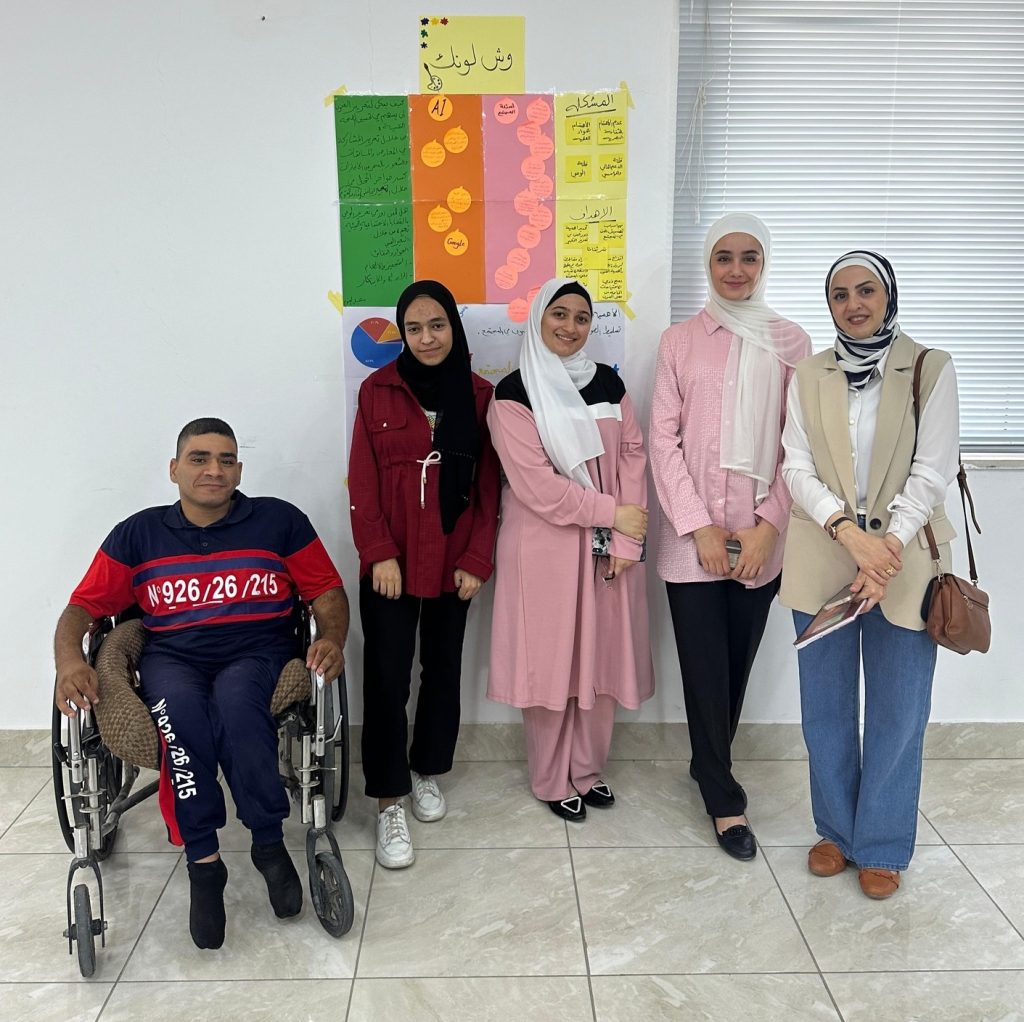
Participants are invited to respond to questions written on large whiteboards or posters placed in public areas. Questions often focus on topics such as:

  • Youth unemployment
  • Education challenges
  • Freedom of expression
  • Gender roles
  • Politics and civic participation
  • Social pressure
  • Mental health and identity
  • Hope and future aspirations

Because responses are anonymous, people tend to answer more openly and emotionally than they would in traditional surveys or public discussions.

According to interviews and organizational descriptions, the collected responses are later analyzed and transformed into reports, visual maps, and qualitative research materials that help policymakers, researchers, and organizations better understand public opinion and youth concerns.

A Different Kind of Research Methodology

One of the most unique aspects of FadFad is that it combines:

  • Civic engagement
  • Public art
  • Social dialogue
  • Qualitative research
  • Community participation

Rather than relying only on formal questionnaires or academic studies, FadFad creates a more human-centered and emotionally driven approach to understanding society.

The initiative was even described by Dr. Hourani as an innovative research methodology that could potentially be licensed and expanded regionally.

This makes FadFad more than just a social campaign – it is also a tool for measuring public sentiment and encouraging participation from people who may otherwise stay silent.

Encouraging Youth Participation in Jordan

Jordan has one of the youngest populations in the region, and youth engagement has become an increasingly important topic over the years.

Through FadFad and related initiatives such as Diwanieh Debates, Dr. Sami Hourani has worked to make public dialogue more inclusive and accessible to ordinary citizens, not only politicians or academics.

The project helps young people feel that their opinions matter and that they can contribute to discussions about their communities and future.

This approach aligns with the broader philosophy of Leaders of Tomorrow, the Jordanian organization founded in 2007 to support youth leadership, entrepreneurship, critical thinking, and civic engagement.

Creativity as a Tool for Social Change

What makes FadFad particularly powerful is its use of creativity and public interaction.

Instead of formal conferences or complicated political discussions, the initiative transforms sidewalks, campuses, and public venues into interactive spaces for conversation.

People passing by can stop for a moment, write a sentence, read others’ opinions, and realize that many people share similar fears, frustrations, or hopes.

This creates:

  • Greater empathy
  • Community dialogue
  • Social awareness
  • Reduced fear of expression
  • Increased civic participation

In many ways, FadFad demonstrates how simple ideas can generate meaningful social impact when combined with trust, openness, and creativity.

The Impact of FadFad

Over the years, FadFad became part of a larger ecosystem of youth empowerment initiatives connected to Leaders of Tomorrow and Dr. Sami Hourani’s social entrepreneurship journey.

The initiative has contributed to:

  • Expanding public dialogue in Jordan
  • Encouraging freedom of expression
  • Giving youth safer channels to communicate
  • Providing qualitative insights for policymakers
  • Building stronger civic engagement among young people

Its success also helped position Dr. Sami Hourani as one of Jordan’s leading social entrepreneurs and innovators. He later received regional and international recognition for his work, including the TAKREEM Young Entrepreneur Award and recognition from global organizations such as Ashoka.

Conclusion

FadFad is more than a public expression project, it is a reflection of the growing need for inclusive dialogue and youth participation in Jordan and the Arab world.

Founded by Dr. Sami Hourani, the initiative shows how creativity, trust, and simple community interaction can become powerful tools for understanding society and empowering people.

At a time when many young people struggle to feel heard, initiatives like FadFad remind us that sometimes giving people a space to “let it out” can be the first step toward meaningful change.